News
Design with Purpose: Building Brands That Mean Something in 2026
For years, e-commerce brands have obsessed over their homepage — refining hero banners, promoting categories, and refreshing seasonal campaigns. But while the homepage may capture the first impression, it rarely decides whether a customer buys. The true battleground for conversions lies deeper in the journey: the product page.
In 2026, product pages are more than digital shelves. They are decision-making engines — where persuasion, reassurance, information, and brand identity converge. When designed intelligently, they build trust, remove friction, and turn browsing into buying. When overlooked, they quietly kill conversions, regardless of how much traffic you attract.
This shift means businesses must stop thinking of product pages as static templates and start treating them as strategic assets. Every element — structure, layout, content hierarchy, visuals, and micro-interactions — influences whether a visitor feels confident enough to proceed.
This article explores why product pages now play a defining role in e-commerce success, how their structure impacts buyer behaviour, and what modern businesses must do to future-proof their product experience.
The Product Page: Where Intent Meets Decision
Customers arrive at a product page with a clear purpose: they are evaluating whether the item solves a need, fits their budget, and feels trustworthy. Unlike homepage visitors, who may be exploring broadly, product page visitors are much closer to action.
This makes the product page the pivotal conversion moment — where curiosity becomes consideration, and consideration becomes commitment. However, intent alone isn’t enough. Even motivated buyers hesitate when product pages lack clarity, credibility, or emotional reinforcement.
Modern e-commerce success depends not only on what a product is, but how it is presented. The design of the product page — the flow of information, the quality of visuals, the placement of reassurance signals — deeply influences decision-making.
If a homepage guides discovery, a product page must close the sale.
Structure Determines Confidence
Effective product pages follow a clear, intuitive structure that mirrors how people naturally evaluate products. No customer wants to hunt for key information, scroll endlessly for reassurance, or decode unclear descriptions. A poorly structured product page creates uncertainty, and uncertainty kills conversions.
Strong product page structure supports decision-making through logical sequencing. Users should be able to understand the product, assess its value, compare available options, view important details, and confirm credibility without cognitive strain. Structure is not about aesthetics — it is about guiding human thought in a way that feels effortless.
In high-performing e-commerce stores, the structure typically follows a natural hierarchy: first presenting essential information, then expanding into detail, and finally reinforcing trust. Brands that deliver information in the right order dramatically improve conversion rates because users feel supported rather than overwhelmed.
Good structure doesn’t sell a product — it removes the barriers that stop people buying it.
Content Hierarchy Shapes Perception
In product pages, content hierarchy is the difference between coherence and chaos. It determines what users see first, what stands out, and how they interpret value.
The most successful brands prioritise clarity. They know that when everything tries to be important, nothing is. Instead of presenting information all at once, they guide users through a carefully crafted journey.
Essential information — price, name, key benefits, primary image, and call-to-action — sits at the top. Supporting details such as specifications, features, materials, sizing, compatibility information, and reviews follow in a logical sequence.
This hierarchy reflects real human behaviour. Customers want to quickly assess whether the product is relevant, whether it solves their problem, and whether it feels worth exploring further. Once their interest is confirmed, they are ready for deeper information.
Poor hierarchy forces users to search for basic answers or dig through irrelevant content. Strong hierarchy reduces friction by pairing essential information with easy-to-digest expansion.
E-commerce design is not about fitting everything on the page — it’s about revealing the right things at the right time.
Visuals Are the New Sales Assistants
In physical retail, customers pick up products, turn them over, examine materials, and assess quality. Online, that experience must be replicated visually.
High-performing product pages treat imagery and video as core conversion drivers — not decorative additions. Clear, well-lit, detailed visuals provide reassurance and reduce doubts, especially when customers cannot physically interact with the item.
Modern users expect multiple angles, zoom capabilities, lifestyle imagery, comparison shots, and short demonstration videos. These visual elements help customers imagine how the product fits into their lives, enhancing emotional connection and reducing risk perception.
Poor visuals, however, undermine trust. Low resolution, inconsistent lighting, or inaccurate representation damages credibility — especially in competitive markets.
In 2026, your visuals are not supporting content; they are central to the product experience itself. The more convincingly a visual tells the story of a product, the fewer barriers remain between interest and purchase.
The Role of Trust-Building Elements
Customers rarely buy without reassurance. Product pages must therefore tactically incorporate trust signals that affirm the buyer’s confidence.
This includes visible reviews, ratings, third-party validation, guarantees, transparent returns policies, secure payment icons, and real customer photo submissions. Even subtle microcopy, such as “Free returns within 30 days” or “98% of customers recommend this product,” can significantly influence behaviour.
Trust comes from clarity and consistency. A product page that hides essential details, uses vague wording, or appears outdated diminishes credibility instinctively.
AI-powered e-commerce systems increasingly analyse trust metrics in real time, highlighting how crucial these elements are. Businesses that fail to earn trust on their product pages face rising bounce rates, abandoned carts, and diminishing loyalty.
Good design persuades. Great design reassures.
How Product Page Design Impacts Conversion Rates
Conversion rates are often influenced less by price or product type and more by presentation. Product page design shapes emotional response, cognitive load, and perceived value.
A well-structured page keeps users engaged. A cluttered or confusing page encourages them to leave. Small details often create disproportionate impact: the placement of a call-to-action button, the prominence of benefits, the depth of imagery, or the amount of white space.
Strong design draws attention to value. If users understand the product, trust the brand, and feel emotionally aligned with messaging, their likelihood of purchasing increases dramatically.
Conversely, poor design introduces doubt. If something feels difficult, unclear, or visually inconsistent, customers assume the product or service may share those qualities.
E-commerce is psychological. Users decide based on how confidently the product page supports their decision.
The Increasing Importance of Mobile-First Product Pages
A significant portion of online buying happens on mobile devices, where attention spans are short and expectations are high. Product pages built for desktop users often fail mobile shoppers by cluttering essential content or breaking layout integrity.
Mobile-first design ensures the product page is built around vertical scrolling, concise information blocks, high-impact visuals, and accessible interactions. Faster performance, clearer typography, and simplified navigation become central to the experience.
Businesses that adopt mobile-first principles see improved engagement, reduced abandonment, and greater satisfaction — particularly among younger demographics who make the majority of their online purchases on smartphones.
In 2026, if your product pages are not optimised for mobile, they are not optimised at all.
Why the Homepage Matters Less Than You Think
Homepage design will always play a role in branding, navigation, and first impressions. But most e-commerce journeys begin not at the homepage, but through search engines, social ads, influencer links, and email campaigns — all of which lead directly to product pages.
This means your product page is often the first meaningful touchpoint a user experiences. It must instantly communicate value and consistency, encapsulating the brand’s identity without relying on broader site context.
In many e-commerce ecosystems, the product page is the homepage.
The Future of Product Page Optimisation
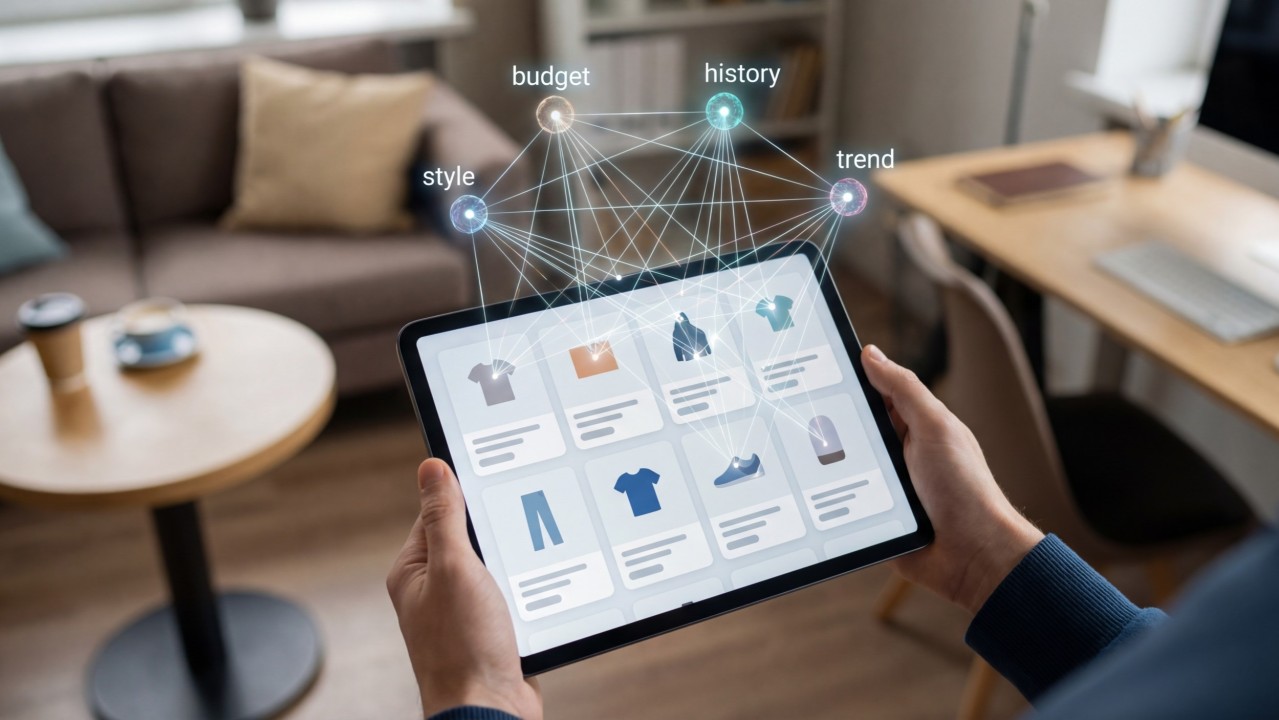
AI is beginning to reshape how product pages adapt to individual users. Dynamic content blocks, personalised recommendations, tailored messaging, and adaptive layout design are becoming standard.
In the near future, product pages will adjust automatically based on behavioural signals. Customers with high purchase intent may see stronger calls to action. New visitors may receive additional reassurance. Frequent shoppers may see personalised bundles or loyalty benefits.
This evolution makes the product page even more central — not just as a static piece of content, but as an intelligent, responsive decision-making hub.
Businesses preparing for this future must invest in structured content, flexible design systems, and high-quality resources that support adaptive AI models.
Final Thoughts
For years, e-commerce brands have prioritised traffic growth and homepage design, but true performance comes from optimising the page where purchasing actually happens. When a product page is structured intelligently, communicates value clearly, and reflects the customer’s expectations, conversion rates naturally rise.
Product pages are not templates to be filled — they are experiences to be crafted. They are not secondary pages — they are the ultimate persuaders. They are not simply informational — they are psychological.
In 2026 and beyond, e-commerce success will be defined not by how impressively a homepage looks, but by how convincingly a product page converts intent into action.