
News
Designing for Conversions: How to Build E-Commerce Websites That Sell in 2025 and Beyond
The e-commerce world is evolving faster than ever. What once worked — flashy design, long product pages, or basic SEO — no longer guarantees sales. Today, online shoppers expect speed, simplicity, and trust, all delivered through seamless, mobile-first experiences.
As we move into 2025 and beyond, design isn’t just about making your e-commerce website look attractive. It’s about creating an experience that converts visitors into loyal customers.
This article explores the principles, technology, and psychology behind conversion-driven e-commerce design — from UX and performance to trust signals and AI-enhanced shopping experiences.
The New Reality of E-Commerce
E-commerce has never been more competitive. Customers can compare products, prices, and delivery times in seconds. If your website doesn’t immediately communicate value, reliability, and ease of use, they’ll go elsewhere.
According to Statista, global e-commerce sales will exceed £6.5 trillion by 2026, but growth won’t be evenly distributed. The businesses that succeed will be those that treat web design as a strategic sales tool, not a visual project.
The good news? You can dramatically improve sales performance by applying a few key design and user experience principles — and combining them with data-driven insight.
1. Start with the User: UX-Driven Design
A great e-commerce website starts with understanding who your customers are and what motivates them. Design decisions should always be guided by user behaviour, not personal preference.
Know Your Customers
Before any design work begins, analyse:
- Who your core buyers are (age, lifestyle, device usage).
- What problems your product solves for them.
- What objections or hesitations they might have before purchase.
Tools like Google Analytics 4, Hotjar, and customer surveys can help map the journey from discovery to checkout.
Simplify the Experience
Users should never have to think about what to do next. Every step — from browsing to payment — should be intuitive and effortless.
- Use clear categories and search functionality.
- Limit clicks to reach a product page.
- Offer guest checkout options to reduce friction.
As Steve Krug famously said: “Don’t make me think.”
2. Design for Trust and Credibility
In the digital world, trust equals sales. A customer won’t buy from a site they don’t feel confident in — no matter how attractive the product or price.
Use Visual Credibility
- Keep branding consistent, professional, and uncluttered.
- Avoid low-quality images or overuse of stock photography.
- Display product photography that’s realistic and high resolution.
Showcase Social Proof
- Include customer reviews, star ratings, and testimonials.
- Feature “as seen in” logos or industry certifications.
- Highlight case studies or user-generated content.
Transparency Wins
- Show delivery costs and return policies upfront.
- Provide real-time stock levels and estimated delivery times.
- Use clear contact information — phone, email, live chat.
When customers feel informed and supported, they’re far more likely to convert.
3. Speed and Performance Matter
Page speed is one of the most critical factors for both SEO and conversions.
Research shows that:
- A 1-second delay in load time can reduce conversions by 7%.
- 53% of mobile users abandon sites that take more than 3 seconds to load.
How to Improve Performance
- Compress and optimise images using next-gen formats (WebP).
- Use caching, CDNs, and clean coding practices.
- Limit plug-ins and third-party scripts.
- Optimise mobile responsiveness above all else.
Fast websites build trust, keep users engaged, and convert more effectively.
4. Mobile-First Design for Modern Shoppers
Mobile now drives over 70% of e-commerce traffic in the UK. If your site isn’t optimised for mobile, you’re losing customers — full stop.
Key Mobile Design Principles
- Prioritise vertical scrolling over complex navigation.
- Keep buttons large and thumb-friendly.
- Use collapsible menus to reduce clutter.
- Ensure fast load speeds on 4G and 5G connections.
Mobile-first design is not just responsive design — it’s a mindset. Every visual and functional element should be crafted for mobile users first, and then expanded for desktop.
5. Product Pages That Convert
The product page is where browsers become buyers. But too many businesses treat them as simple catalogues rather than sales tools.
Design Product Pages for Emotion and Clarity
- Use high-quality, zoomable images (ideally multiple angles).
- Include short demo videos or lifestyle shots showing products in use.
- Highlight benefits before features — show outcomes, not just specifications.
Support Decisions
- Use bullet-point summaries at the top for quick scanning.
- Display key trust signals near CTAs (e.g. “Free Returns”, “Secure Checkout”).
- Include related products and bundles to increase average order value.
Every element should lead customers closer to that “Add to Basket” click.
6. Checkout Experience: Reducing Friction
Even the most persuasive product page won’t help if checkout is complicated. A poor checkout flow is one of the biggest conversion killers.
Simplify the Process
- Minimise the number of steps.
- Offer guest checkout and one-click options.
- Use auto-fill and postcode lookups.
- Integrate digital wallets like Apple Pay and PayPal.
Reassure Shoppers
- Display trust badges, SSL certificates, and payment security icons.
- Offer transparent shipping times and costs early in the process.
- Provide clear progress indicators (“Step 2 of 3”).
Every second saved at checkout reduces abandonment.
7. Using AI to Personalise the Shopping Experience
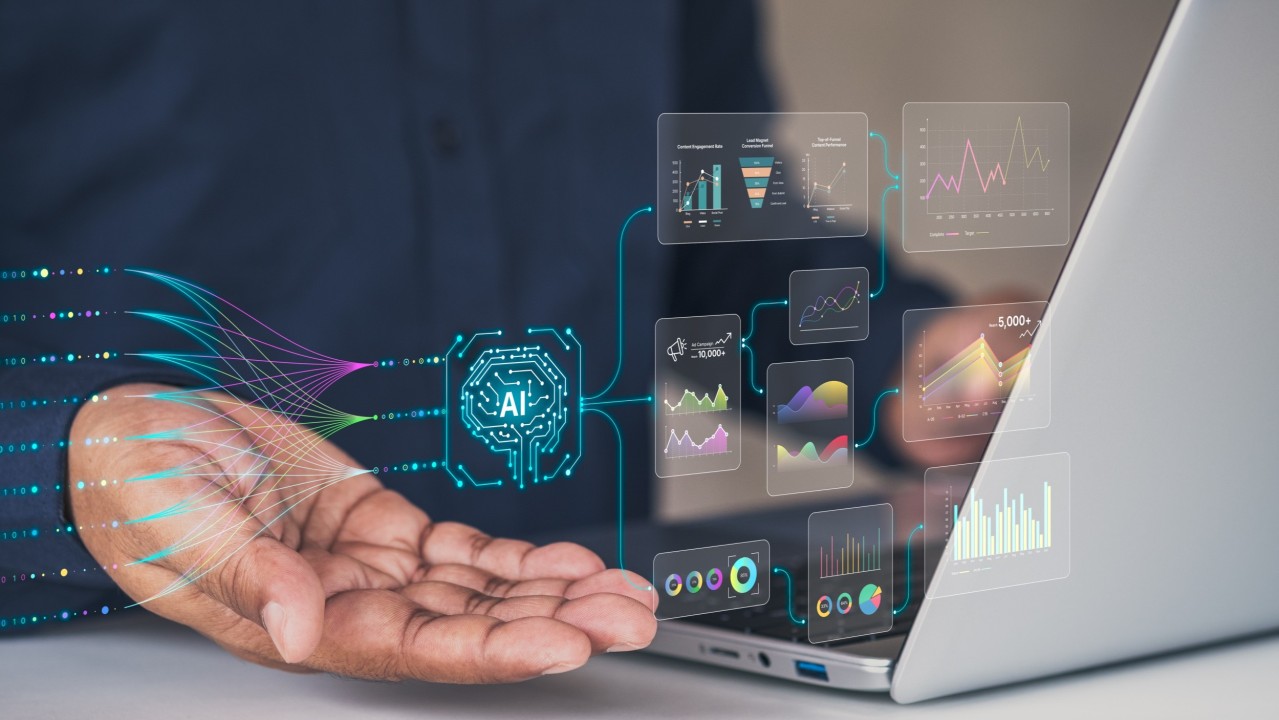
AI is transforming e-commerce. In 2025, personalisation will define success. Customers expect tailored experiences, relevant recommendations, and smart search functionality.
Practical AI Applications
- Personalised recommendations based on browsing and purchase history.
- Dynamic pricing and offers based on customer behaviour.
- AI-powered chatbots for instant product advice and support.
- Predictive analytics to anticipate future buying intent.
Example
A fashion retailer using AI-driven recommendations increased average order value by 28% simply by showing customers what they were most likely to purchase next.
AI personalisation is no longer a luxury — it’s a conversion essential.
8. Integrate Storytelling into Design
Great e-commerce isn’t just transactional; it’s emotional. Your design should communicate your brand story, not just your product range.
- Share the “why” behind your brand on your homepage.
- Use lifestyle imagery to convey aspiration or problem-solving.
- Include “Meet the Maker” or “Behind the Scenes” sections.
Storytelling turns shoppers into fans — and fans into repeat buyers.
9. Data-Driven Design Decisions
Gut feeling is no longer enough. Every design decision should be backed by data and testing.
Test Everything
- A/B test CTAs, layouts, and colours.
- Analyse where users drop off in the checkout flow.
- Use heatmaps to see where attention lingers — and where it doesn’t.
Measure What Matters
- Conversion rate by device.
- Average order value (AOV).
- Cart abandonment rate.
- Revenue per visitor.
Iterative improvements compound over time. Data turns design into science.
10. Prepare for the Future of E-Commerce
The future of online shopping will be more immersive, intelligent, and instant. Businesses that adapt now will stay ahead.
Emerging trends include:
- Voice commerce – purchasing through Alexa and Google Assistant.
- AR shopping – customers “try on” or visualise products in their space.
- Sustainability filters – eco-conscious shopping experiences.
- AI-powered customer service – 24/7 support through conversational interfaces.
To stay competitive, ensure your website can integrate emerging technologies easily — modular design and flexible CMS platforms are key.
Final Thoughts
In 2025, a beautiful website isn’t enough. A truly successful e-commerce site is fast, trustworthy, mobile-first, data-driven, and powered by personalisation.
Every design decision — from colour palette to checkout flow — should have one ultimate goal: to make it easier for your customers to buy from you.
If your current website isn’t doing that, it’s time to rethink, redesign, and refocus on conversion.
Because in the modern marketplace, it’s not the business with the best product that wins — it’s the one with the best experience.







The Ultimate Social Media Guide
With the ever-growing power of social media, we use the latest techniques, video, and animation software to craft eye-catching social media assets that make your brand pop. Our designers, wielding Adobe Creative tools, create distinctive animations and graphics to illuminate your brand story and highlight your products or services. Want a unique design? No problem – we also offer bespoke designs to match your brand aesthetic.