News
How to Design a Website That Builds Trust With Your Customers
Trust is the foundation of every successful business relationship. Without it, customers hesitate, competitors look more appealing, and conversions plummet. In the digital world, your website is often the very first place where trust is won or lost.
It takes only seconds for a visitor to form an opinion of your brand based on your website. If it feels outdated, confusing, or untrustworthy, potential customers will click away — often never to return. On the other hand, a site that looks professional, functions smoothly, and communicates credibility builds confidence and encourages customers to engage.
This article explores how to design a website that instils trust, the mistakes that erode credibility, and the practical steps business owners and marketing leaders can take to ensure their online presence inspires confidence from the very first click.
Why Website Trust Matters
A trustworthy website isn’t just about aesthetics. It directly impacts sales and customer behaviour:
- 75% of users judge a company’s credibility based on its website design.
- 88% of online consumers are less likely to return after a poor experience.
- Trust signals influence conversion rates more than price in many cases — if people don’t trust your site, they won’t buy, no matter how good the offer.
When trust is established, customers are more likely to share personal information, complete purchases, recommend your brand, and return for repeat business.
The Psychology of Online Trust
To understand how to design for trust, you need to understand what customers look for:
- Professionalism – A modern, polished design implies competence.
- Transparency – Easy-to-find information reduces uncertainty.
- Consistency – Branding that feels aligned across channels suggests reliability.
- Reassurance – Visible security features, policies, and testimonials reassure customers their money and data are safe.
A trustworthy site makes customers feel they’re in safe hands, just like walking into a well-run physical shop.
Key Elements of a Trustworthy Website
1. Professional, Modern Design
The look and feel of your site is the first indicator of professionalism. Outdated layouts, broken links, or pixelated images create immediate distrust.
A trustworthy website:
- Uses clean, uncluttered design with plenty of white space.
- Employs consistent branding — fonts, colours, and tone.
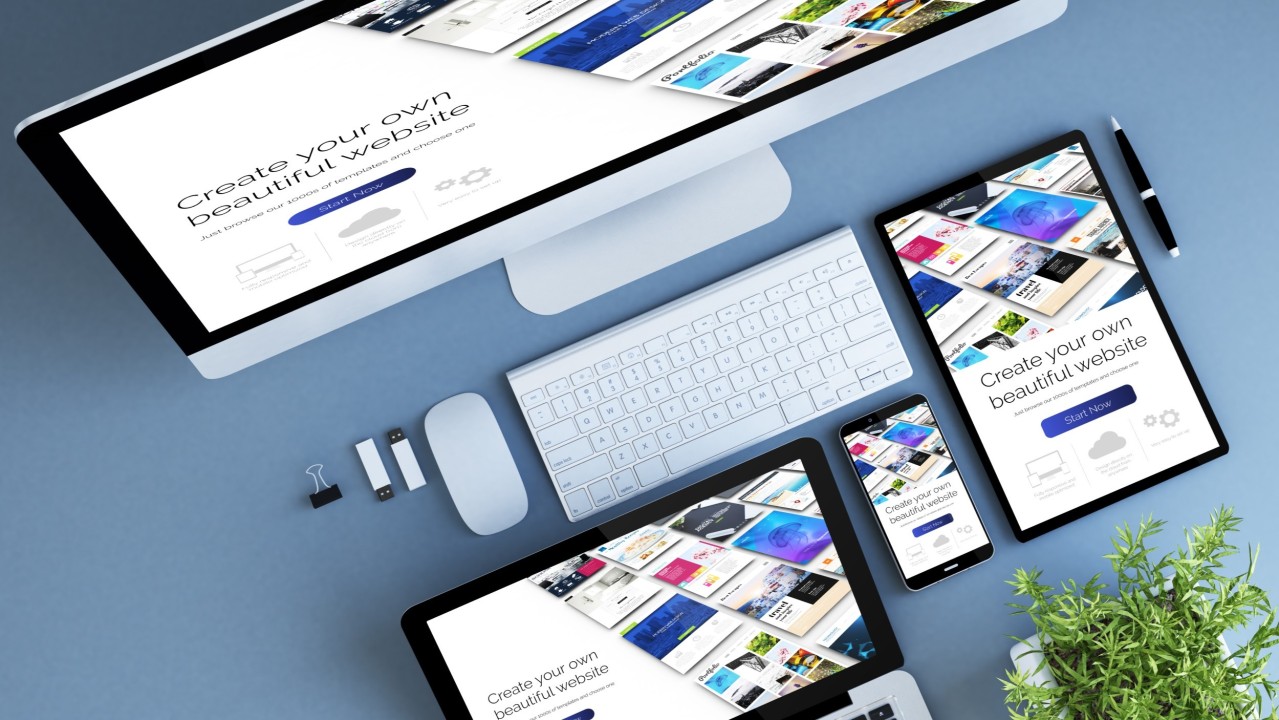
- Adapts responsively to all devices, from desktop to mobile.
Good design isn’t just visual. It’s functional, intuitive, and user-centred.
2. Clear Navigation and Usability
Visitors need to find what they’re looking for without frustration. Confusing navigation signals disorganisation, which undermines trust.
Best practices include:
- Simple, logical menus.
- Clear labelling of services and products.
- Search functionality for larger sites.
- Obvious calls-to-action (CTAs).
When customers feel in control, they feel more confident engaging further.
3. High-Quality, Transparent Content
Content is one of the strongest trust-builders. Customers want clarity about who you are, what you do, and how you can help them.
- Provide detailed product or service information — no vague promises.
- Use case studies, testimonials, and real-world examples.
- Include an “About Us” page that shares your story and values.
- Avoid jargon and write in customer-friendly language.
Transparent content positions you as both knowledgeable and approachable.
4. Security and Privacy Features
Nothing erodes trust faster than concerns about safety. A secure website is a must:
- Use HTTPS (the padlock in the browser bar).
- Display secure payment badges (Visa, Mastercard, PayPal).
- Publish clear privacy and returns policies.
- Offer multiple safe payment options.
Especially for e-commerce, visible reassurances reduce hesitation and increase conversions.
5. Social Proof
Customers trust other customers. Positive reviews, testimonials, and case studies provide powerful evidence that your business delivers.
Ways to incorporate social proof:
- Star ratings or review snippets on product pages.
- Video testimonials or written case studies.
- Logos of trusted clients or partners.
- Media coverage or awards.
By showing that others already trust you, new visitors are more likely to do the same.
6. Fast Performance and Reliability
A slow or unreliable site feels unprofessional. Performance is not just about convenience — it directly affects trust.
- Ensure fast load times by optimising images and code.
- Use reliable hosting to minimise downtime.
- Test regularly for broken links or errors.
If customers can’t trust your website to function, they won’t trust your business to deliver.
7. Accessibility and Inclusivity
A trustworthy brand considers all users, including those with disabilities. Accessible design is not only ethical but also enhances credibility.
This includes:
- Alt text for images.
- Readable colour contrasts.
- Screen-reader compatibility.
- Keyboard-friendly navigation.
An inclusive website shows respect for all customers, which strengthens trust.
Common Mistakes That Destroy Trust
Even with the right intentions, businesses often make mistakes that undermine credibility:
- Overusing stock photos that feel fake.
- Hiding contact details or making them hard to find.
- Failing to update content (blogs last updated in 2019 send the wrong message).
- Forcing visitors through complex forms before providing value.
Trust is fragile. Small missteps can create doubt, while consistent excellence builds confidence.
The ROI of Trust in Web Design
Trust may seem intangible, but it has a measurable impact:
- Increased conversions and enquiries.
- Reduced cart abandonment in e-commerce.
- Higher engagement and time spent on site.
- Improved search rankings (Google rewards secure, user-friendly websites).
Investing in trust-focused design delivers both short-term and long-term returns.
Building Trust as an Ongoing Process
Trust isn’t built once; it’s maintained. That means:
- Regularly updating content to reflect current information.
- Monitoring site performance and fixing issues promptly.
- Continuing to collect and display reviews.
- Adapting design to evolving user expectations.
Your website should feel alive and cared for, not static or neglected.
Looking Ahead: Trust and Web Design in 2026
Emerging trends will make trust even more central to online success:
- AI transparency – as AI-powered chatbots and content rise, customers will want clarity on how information is created.
- Greater scrutiny of data use – privacy regulations and consumer awareness will demand visible compliance.
- Authenticity-first branding – users will expect real stories, real images, and real values.
Businesses that adapt now will stay ahead of the curve.
Final Thoughts
Trust is not a “nice to have” in web design. It’s the foundation of online conversions and customer relationships. From first impressions to checkout, every aspect of your website either builds trust or erodes it.
For business owners and marketing directors, the priority is clear: design with trust at the core. That means professional aesthetics, clear navigation, strong content, visible social proof, reliable performance, and inclusive experiences.
When customers trust your website, they’ll trust your business — and that’s what turns visitors into loyal, paying customers.