News
Organic vs Paid Social Media: Where Should You Invest?
Social media has become one of the most important tools for businesses of all sizes. It shapes brand visibility, customer engagement, and — increasingly — revenue. But one of the most common questions business owners and marketing directors ask is:
👉 Should we focus on organic social media, paid social media, or both?
It’s a fair question. Organic reach on platforms like Facebook and Instagram has declined dramatically in recent years, while paid advertising costs are rising as competition intensifies. Making the right investment decision can determine whether social media becomes a powerful growth driver or an expensive frustration.
In this article, we’ll explore the differences between organic and paid social, their advantages and limitations, and how to decide where to allocate resources for maximum ROI.
What Do We Mean by Organic vs Paid Social Media?
Organic social media refers to content you post on your brand’s profiles without paid promotion. This includes updates, stories, reels, blog shares, videos, and community engagement. Organic reach is driven by platform algorithms and your existing audience.
Paid social media involves advertising campaigns where you pay to reach a defined audience. This could include Facebook Ads, LinkedIn Sponsored Content, Instagram Ads, TikTok campaigns, or YouTube pre-roll ads.
While organic focuses on building relationships and trust over time, paid campaigns deliver targeted visibility quickly — for a cost.
The Case for Organic Social Media
Organic social media builds the foundations of your digital presence. Even if you run paid campaigns, customers will often check your profile to validate your credibility.
Benefits of Organic Social Media
1. Builds Authentic Relationships Organic posts showcase your brand personality, culture, and values. They foster genuine engagement and create a sense of community. Customers trust brands that feel real and human.
2. Long-Term Value Strong organic content builds an audience that sticks. Unlike ads, which stop delivering results when you stop paying, organic growth compounds over time.
3. Cost-Effective Posting organically doesn’t require ad spend. While it does require time and resource, it can deliver strong ROI when done strategically.
4. Essential for Credibility If your organic presence is weak, paid campaigns can backfire. Users who see your ads will often check your profile. If it looks inactive or unprofessional, they may lose trust.
Limitations of Organic Social Media
- Organic reach is limited — algorithms favour personal content and paid posts.
- Growth is slow; building a following takes time and consistency.
- Harder to target specific audiences at scale.
The Case for Paid Social Media
Paid social advertising has grown massively because it delivers fast, measurable results.
Benefits of Paid Social Media
1. Targeted Reach You can target by demographics, interests, behaviours, job titles, or even remarket to people who visited your website. This precision makes paid campaigns highly effective.
2. Speed and Scale Need leads quickly? Paid ads generate traffic, engagement, and conversions almost instantly once campaigns are live.
3. Advanced Analytics Ad platforms provide detailed insights into performance — impressions, clicks, conversions, and ROI. This allows for continuous optimisation.
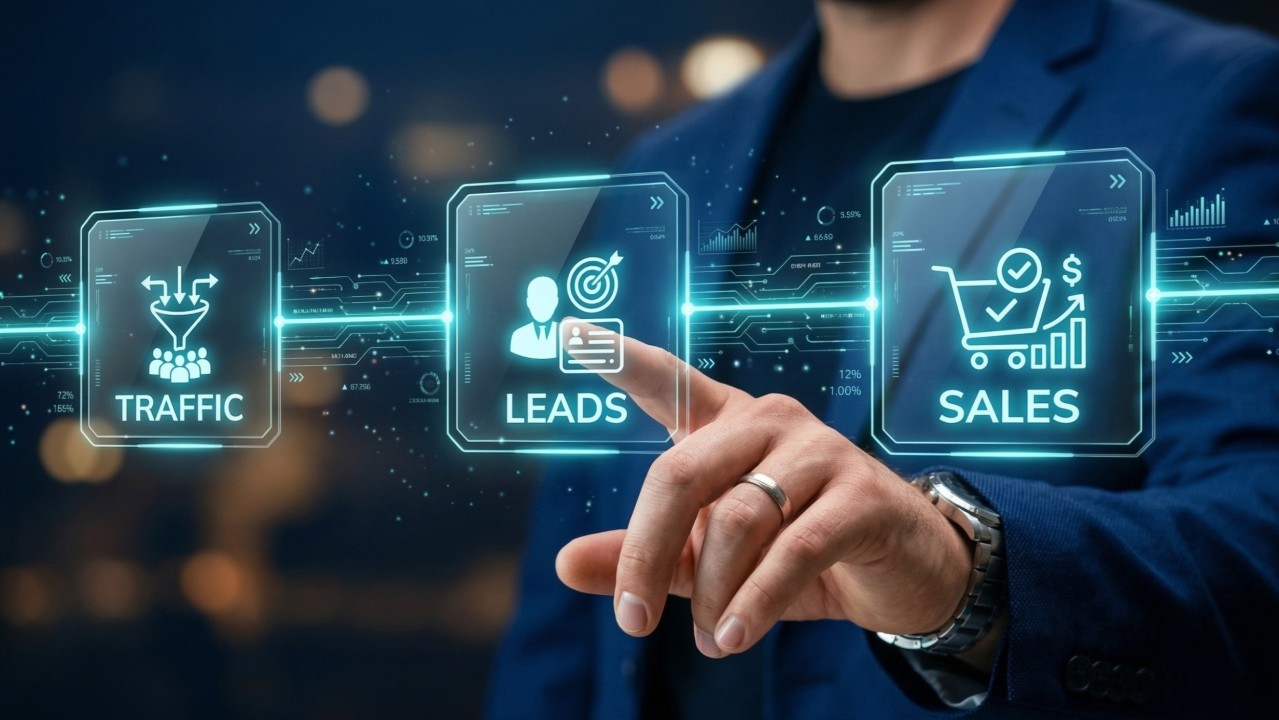
4. Supports the Sales Funnel Paid campaigns can be tailored to awareness, consideration, or conversion. You can build funnels that move people from first touch to purchase.
Limitations of Paid Social Media
- Costs add up, especially in competitive industries.
- ROI depends heavily on campaign setup and optimisation — mistakes are costly.
- Ads stop working when you stop paying; results are not long-lasting without continued spend.
Organic vs Paid: Which Delivers Better ROI?
The answer isn’t simple. It depends on your goals, budget, and timeline.
- Short-term goals (leads, sales, traffic): Paid social is more effective. It gets results quickly and can scale.
- Long-term goals (brand trust, loyalty, community): Organic is essential. It builds sustainable relationships.
- Best ROI overall: A combination of both. Paid drives awareness and conversions, while organic nurtures long-term trust and retention.
Think of it this way: paid is like fuel for acceleration, while organic is the engine that keeps the vehicle running.
How to Balance Organic and Paid Social Media
1. Start with a Strong Organic Foundation
Before investing heavily in paid ads, ensure your profiles look professional and active. If customers land on an empty page after clicking an ad, you’ve wasted your spend.
2. Use Paid to Amplify Organic Wins
If an organic post performs well, consider boosting it. Paid spend can expand its reach to new audiences while leveraging content that’s already proven to engage.
3. Map Content to the Funnel
- Awareness: Use paid campaigns to reach new audiences.
- Consideration: Use organic to nurture with stories, testimonials, and education.
- Conversion: Use paid retargeting ads to bring warm leads over the line.
4. Monitor and Adjust
Track both organic and paid performance. If organic engagement is high but leads are low, shift spend towards conversion-focused ads. If paid campaigns are costly, improve organic content to reduce dependency.
Common Mistakes Businesses Make
- Relying only on organic and expecting fast growth.
- Spending heavily on paid without building organic trust.
- Failing to measure ROI, focusing on vanity metrics instead of sales.
- Treating organic and paid as separate strategies rather than integrated.
The Future of Organic and Paid Social
Looking towards 2026, both organic and paid will remain essential — but they’ll evolve:
- AI-driven targeting will make ads more personalised and efficient.
- Social commerce will blur the lines between organic and paid with shoppable posts.
- Community-driven content (like groups and private spaces) will enhance organic engagement.
- Regulations and privacy changes will increase the importance of first-party data for targeting.
Final Thoughts
The debate isn’t really organic vs paid. It’s about using both in the right way. Organic builds credibility, trust, and long-term brand value. Paid delivers reach, speed, and measurable conversions.
For business leaders, the best strategy is a balanced one:
- Invest in organic as your foundation.
- Use paid to accelerate growth and support sales.
- Integrate the two so they work together, not in competition.
When aligned with business goals, organic and paid social don’t just create awareness — they create measurable sales growth.