News
Should You Invest in Paid Ads or SEO? (Or Both?)
Every marketing director faces this question sooner or later:
“Should we put more budget into Google Ads, or focus on SEO?”
Both promise visibility. Both can drive traffic and conversions. And both, when done correctly, can fuel substantial business growth.
But while paid ads offer instant visibility, SEO delivers long-term authority. The real challenge lies in deciding how to balance short-term wins with sustainable success.
In 2026, where competition is fierce and budgets are scrutinised, understanding the roles of Paid Advertising and SEO — and how they work together — is one of the smartest strategic moves a business can make.
Why the Debate Exists
The SEO vs Paid Ads conversation often comes down to mindset.
Businesses that want immediate leads tend to favour advertising. Those seeking organic trust and consistent traffic lean toward SEO.
But treating them as opposing forces misses the bigger picture.
The truth is:
- Paid Ads buy attention.
- SEO earns attention. And the strongest marketing strategies combine both to maximise reach, resilience, and ROI.
Understanding the Core Difference
Before you decide how to allocate budget between SEO and Paid Ads, it’s essential to understand what each channel actually offers — not just in terms of visibility, but in terms of behaviour, value, and timelines.
SEO (Organic Search) is fundamentally about earning visibility. It focuses on building long-term authority through high-quality content, technical optimisation, and a strong website foundation. When your SEO strategy is effective, Google begins to trust your website as a reliable source of information, which means your pages appear naturally in search results. This earns you consistent, sustained traffic without paying for every single click. However, SEO takes time. It requires patience, ongoing optimisation, and a commitment to producing genuinely valuable content. You can’t rush it — algorithms need signals, users need to engage, and authority needs to build.
Paid Advertising (PPC), by contrast, is visibility you can buy instantly. If you want to appear on the first page of Google today — or target a specific audience on LinkedIn or Meta within hours — paid campaigns let you do that. You control the targeting, the budget, the creative, and the placement. It’s fast, measurable, and extremely effective when you need results now. But its lifespan is entirely dependent on spend. The moment you stop funding campaigns, your visibility disappears. Unlike SEO, which compounds value over time, PPC resets to zero each day.
In essence, SEO is a long-term investment that becomes more powerful as time goes on, while paid advertising is a short-term accelerator that delivers immediate return but offers no residual benefit once the budget stops.
SEO builds authority and trust. Paid Ads build reach and speed. SEO creates sustainable growth. Paid Ads create predictable, controlled performance. SEO is earned. Paid Ads are rented.
Understanding this difference is the foundation for making smart, strategic decisions about how the two should complement each other — rather than compete for budget.
The Case for SEO: Building Authority and Longevity
Search Engine Optimisation is the foundation of sustainable visibility. It ensures that your brand is discovered naturally, without paying for every click.
When done right, SEO builds equity — digital assets that continue generating value long after the initial investment.
Why SEO Still Matters in 2026
- User Trust and Credibility Users instinctively trust organic results more than paid ads. Appearing at the top of search results signals authority and authenticity.
- Compounding Returns Each optimised page, backlink, and piece of content strengthens your domain. Over time, this compounds into exponential traffic growth.
- Cost Efficiency Although SEO requires time and expertise, the cost per acquisition tends to decrease as performance scales — unlike paid ads, which require continuous spend.
- AI and Voice Search SEO now includes optimising for AI-driven queries and voice assistants. As search evolves, brands with strong organic foundations will remain discoverable across emerging formats.
- Brand Equity Ranking well builds brand familiarity. Even if users don’t click the first time, consistent visibility reinforces awareness over time.
The Limitations of SEO
- Time to see results: It can take months before rankings deliver measurable traffic.
- Algorithm volatility: Google updates can impact performance unexpectedly.
- Ongoing maintenance: SEO requires constant optimisation and fresh content to maintain authority.
SEO is a marathon, not a sprint. But for businesses focused on sustainable growth, it’s one of the best investments you can make.
The Case for Paid Advertising: Control, Speed, and Scalability
If SEO is a marathon, paid ads are a sprint — fast, focused, and highly measurable.
Pay-per-click (PPC) campaigns, such as Google Ads, Meta Ads, and LinkedIn Ads, allow businesses to instantly reach targeted audiences.
Why Paid Ads Work So Well
- Instant Visibility You can appear on the first page of search results today — even for competitive keywords.
- Precise Targeting Paid campaigns let you filter by demographics, location, intent, device, and more. You can tailor creative and messaging to specific segments.
- Predictable ROI Budgets and bids can be controlled down to the penny. If campaigns are optimised, you can forecast conversions with remarkable accuracy.
- Scalable Growth When campaigns perform well, increasing budget scales reach immediately.
- A/B Testing for Insight Ads provide rapid feedback on what works. You can test messages, offers, and creative variations before rolling them into broader campaigns.
The Limitations of Paid Ads
- Cost dependency: Traffic stops the moment you stop paying.
- Click fraud and competition: High competition drives up costs, especially in saturated industries.
- Ad fatigue: Users often tune out repetitive or irrelevant ads.
- Short lifespan: Campaigns must evolve quickly to stay effective.
Paid advertising delivers speed and control — but without SEO, it’s like renting visibility instead of owning it.
The Real Power: Combining SEO and Paid Ads
For most businesses, the right question isn’t “SEO or Paid Ads?” — it’s “How do we use both together effectively?”
The best-performing marketing strategies integrate organic and paid channels to create a data-driven growth loop.
How the Two Work Together
- Shared Keyword Insights PPC campaigns reveal which keywords convert best. Those insights can then inform your SEO content strategy.
- Dual Visibility on Search Results When your brand appears in both paid and organic listings, you dominate the page — doubling credibility and click-through potential.
- Retargeting and Remarketing SEO brings visitors organically; paid ads re-engage them with personalised offers.
- Testing SEO Ideas with Paid Ads You can test new landing page ideas or keyword opportunities with ads before investing in long-term organic optimisation.
- Filling Gaps During SEO Growth While your SEO efforts build momentum, paid ads maintain visibility and lead flow.
Together, they create a marketing ecosystem that balances immediate performance with lasting authority.
How to Decide Where to Focus
If you’re planning your 2026 marketing strategy, here’s a practical way to decide your channel priority.
Step 1: Define Your Objectives
Ask:
- Do we need immediate leads or sustained growth?
- Is our goal brand awareness, sales, or market entry?
- How quickly do we need measurable ROI?
If your business needs instant visibility or is launching something new, paid ads may take the lead. If you’re building long-term brand equity and reducing cost per lead, SEO should anchor your strategy.
Step 2: Audit Your Current Performance
Analyse:
- How much of your traffic comes from organic vs paid channels?
- Which converts better?
- What’s your average cost per acquisition (CPA)?
If organic leads convert better but volume is low, invest in SEO growth. If organic performance is strong but slow, use ads to boost conversions while SEO matures.
Step 3: Budget Based on Lifecycle
A new business might allocate 70% to paid and 30% to SEO to gain traction. An established brand might invert that, investing 70% in SEO and 30% in ads for agility.
Over time, the goal should be to reduce dependency on paid traffic by strengthening your organic footprint.
Step 4: Measure and Integrate
Track both channels using shared metrics and attribution models. Measure not just clicks, but how the two influence each other.
For example, a user might first see your paid ad, then later search for your brand organically and convert. Attribution helps you connect those dots.
SEO and PPC Integration: A Framework That Works
For marketing directors balancing both channels, here’s a simple framework to follow:
1. Align Goals
Create unified KPIs for both teams — e.g., total conversions, cost per lead, customer lifetime value — instead of siloed metrics.
2. Coordinate Messaging
Ensure ad copy and SEO meta content reinforce the same brand story. This builds trust and consistency.
3. Use PPC Data to Guide SEO
Run short-term ad campaigns to identify high-performing keywords, messaging, and audience segments. Use that insight to inform content creation and landing pages.
4. Retarget Organic Visitors
Install tracking pixels to show targeted ads to visitors who came through organic search but didn’t convert.
5. Share Creative Assets
Use top-performing ad visuals, headlines, or video snippets across organic social and blog content for brand cohesion.
When paid and organic teams collaborate, every campaign becomes a learning engine.
Common Mistakes Businesses Make
Even with both channels active, many companies lose efficiency by falling into these traps:
Mistake 1: Running Them in Silos
Paid and SEO teams using different data sets and goals leads to duplication and wasted insight.
Mistake 2: Overinvesting in Ads
Relying solely on paid traffic creates long-term dependency and cost inflation.
Mistake 3: Neglecting Brand Experience
Clicks don’t guarantee conversions. Without fast, user-friendly landing pages, both SEO and PPC underperform.
Mistake 4: Ignoring Attribution
Failing to track multi-touch journeys means you’ll undervalue one channel and overvalue another.
Mistake 5: Measuring Success in Isolation
Don’t measure SEO purely by rankings or PPC purely by impressions. Focus on combined ROI and total revenue impact.
The Future of Paid and Organic Search
As AI continues to transform search results and user behaviour, the line between organic and paid will blur even further.
Search engines are increasingly integrating:
- AI-generated summaries that combine organic and sponsored results.
- Local and contextual personalisation that blends maps, reviews, and ads.
- Zero-click experiences, where users find answers directly on the results page.
To remain competitive, your strategy must evolve from channel optimisation to experience optimisation.
That means building a cohesive ecosystem where every click — paid or organic — delivers consistent value and moves users closer to conversion.
Final Thoughts
SEO and Paid Ads aren’t rivals. They’re partners.
Paid advertising gives your business speed and precision. SEO provides authority and longevity.
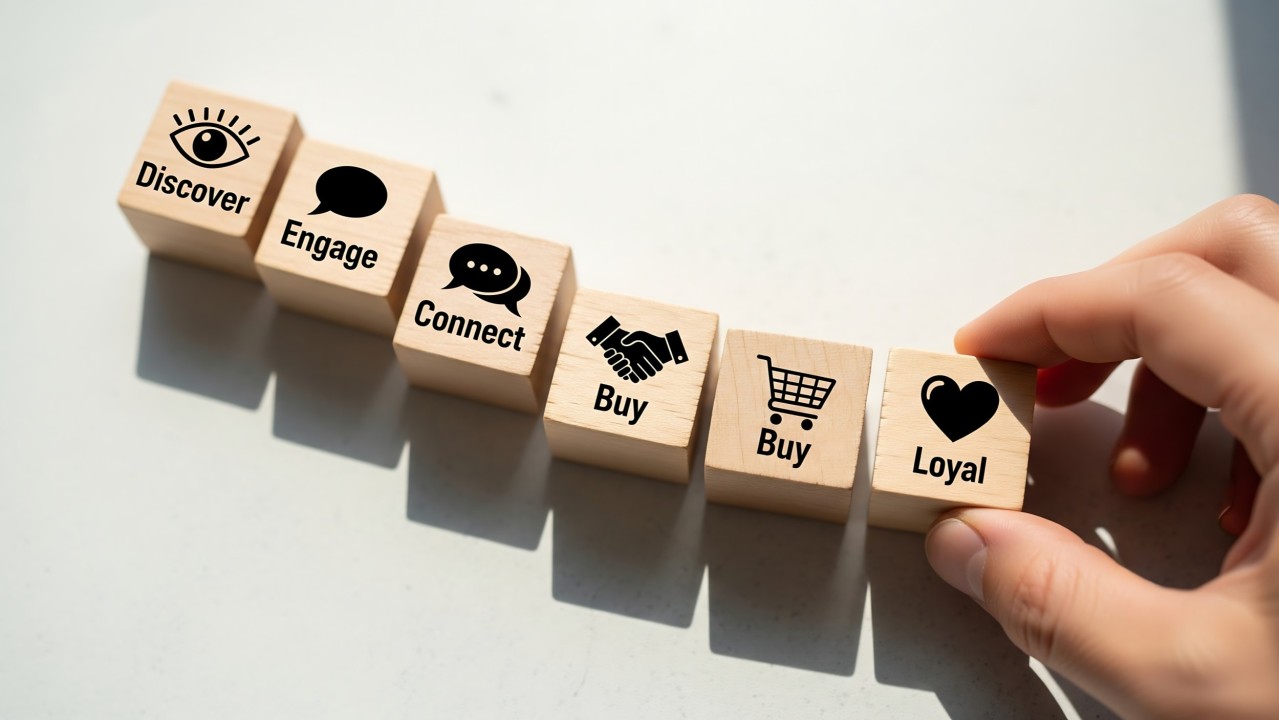
When combined strategically, they create a self-reinforcing cycle of discovery, engagement, and conversion.
So instead of asking “Should we choose SEO or Paid Ads?”, ask:
“How can we make them work together to achieve our bigger goals?”
Because in the modern digital landscape, success isn’t about picking sides — it’s about building synergy.
Invest wisely. Measure continuously. Integrate relentlessly.
And remember: visibility is valuable — but profitable visibility is everything.