
News
Personalised & Adaptive Design: How Brands Are Designing for Individuals, Not the Masses
In an era where consumers are increasingly overloaded with choice, digital noise, and generic marketing, many brands have begun shifting away from a “one‑size‑fits‑all” approach. Instead, they are embracing personalised and adaptive design — building experiences that respond to individual users’ preferences, behaviours, contexts, and needs. This shift signals a broader transformation: from mass‑market branding and design to one that treats each user as a unique individual.
In this article, we’ll explore why this shift is happening, what “personalised and adaptive design” means in practice, how brands implement it across channels (websites, apps, marketing, e‑commerce), the benefits and challenges, and what it means for the future of design — especially in the UK context. Along the way, we reference recent UK statistics to ground the analysis.
What is Personalised & Adaptive Design?
Defining the Terms
- Personalised design refers to tailoring content, visuals, user interface (UI), and experiences based on data about the user — for example history, preferences, demographics, behaviour, or expressed interest. It might mean showing different product recommendations, changing the tone or layout of communication, or altering what the user sees based on their past interactions.
- Adaptive design refers to design systems or interfaces that change or adapt dynamically depending on the user’s context: device type, screen size, time of day, location, user behaviour, accessibility settings, and more. Adaptive design ensures that the experience is optimised for each user’s situation rather than a generic “average user.”
Together, personalised + adaptive design enables brands to deliver unique, relevant, contextual experiences — often seamlessly. The ambition is not merely to reach everyone, but to reach each individual in the most appropriate way.
Why the Shift — Market & Consumer Context
There are several overlapping factors driving this shift:
- Consumer expectations have changed. With the rise of social media, streaming platforms, and targeted advertising, consumers have grown accustomed to content and services that “know” them. They expect relevance, convenience, and resonance.
- Data & technology enable it. Advances in data analytics, machine learning / AI, customer‑data platforms (CDPs), real‑time personalisation engines and adaptive UI frameworks give brands the tools to implement fine‑grained tailoring.
- Noise and competition demand differentiation. In crowded markets, generic messaging often gets ignored. Personalisation offers a way to break through the clutter — by making content more meaningful, engaging and efficient.
- Better conversion, loyalty & engagement outcomes. Evidence suggests personalised experiences tend to convert better, drive loyalty, and increase customer lifetime value — making business sense beyond just “customer delight.”
In the UK, this trend is already visible. According to a 2025 report from SAP Emarsys, while only 44 % of UK consumers say they currently receive truly personalised experiences when shopping, a larger 61 % say personalised content has a strong influence on purchase decisions. DecisionMarketing+1 Moreover, a recent industry survey revealed that 65 % of UK retailers admit their personalisation capabilities remain at a “basic” or “pilot” level — showing the gap between ambition and execution. Business Wire
These data points reveal both the demand from consumers and the which many UK brands still struggle to meet — underlining huge potential for those who get personalisation right.
What Personalised & Adaptive Design Looks Like — Use Cases Across Brand Touchpoints
Personalised and adaptive design takes many forms depending on the brand, medium, and user journey. Below are some of the most common and powerful use cases.
1. Personalised E‑commerce & Product Recommendations
Perhaps the most visible application: on e‑commerce sites. Instead of generic “popular products” or “best-sellers,” users see curated product lists based on their browsing history, past purchases, demographic profile, and predicted preferences.
- For returning customers, the landing page might show “Recommended for you” items;
- For window‑shoppers, the system may highlight trending items in their region or demographic group;
- Many retailers also use personalised promotional offers or discounts — which UK shoppers identify as among the most influential content for sharing or purchasing behaviour. InternetRetailing+1
These personalisations do more than increase visibility — they make shopping easier, more relevant, and often boost conversion and loyalty.
2. Dynamic Content & Messaging (Websites, Newsletters, Email, Notifications)
Brands increasingly adapt their content messages depending on who’s viewing:
- Website copy or banners that change according to user location, previous visits, or demographic data.
- Email campaigns tailored by past behaviour, purchase history, or expressed preferences. According to digital‑marketing best practices, personalised email campaigns significantly outperform generic ones — often delivering higher open rates, click‑through rates and conversion. Adobe for Business+1
- On‑site pop‑ups or notifications that adapt: for example, showing a discount if a user is about to leave with a full cart; or recommending content related to articles previously read.
This type of adaptive content helps deepen engagement, reduce friction, and make each interaction feel more human and relevant.
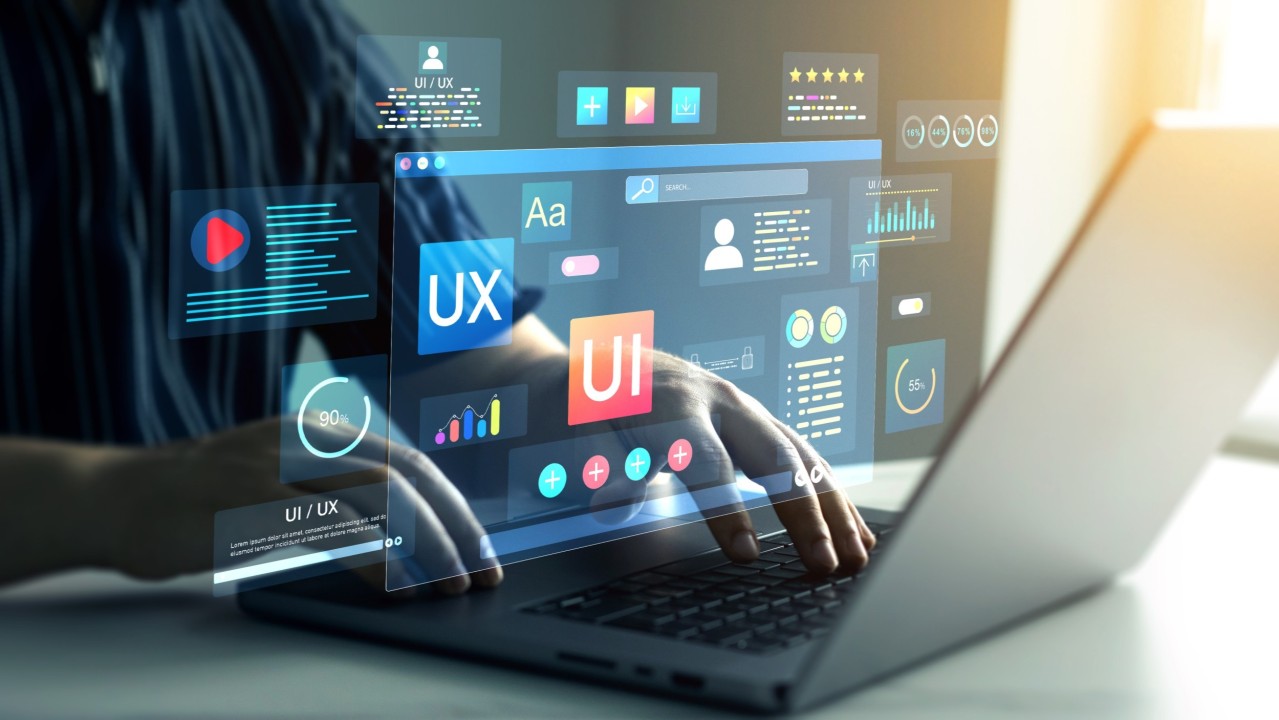
3. Adaptive UI / UX Based on Context — Device, Behaviour, Accessibility
Adaptive design shines in the subtle tailoring of interface based on context:
- Layouts that shift depending on device (mobile, tablet, desktop), orientation or screen size.
- Lazy-loading images or different media resolution depending on network speed or device capabilities.
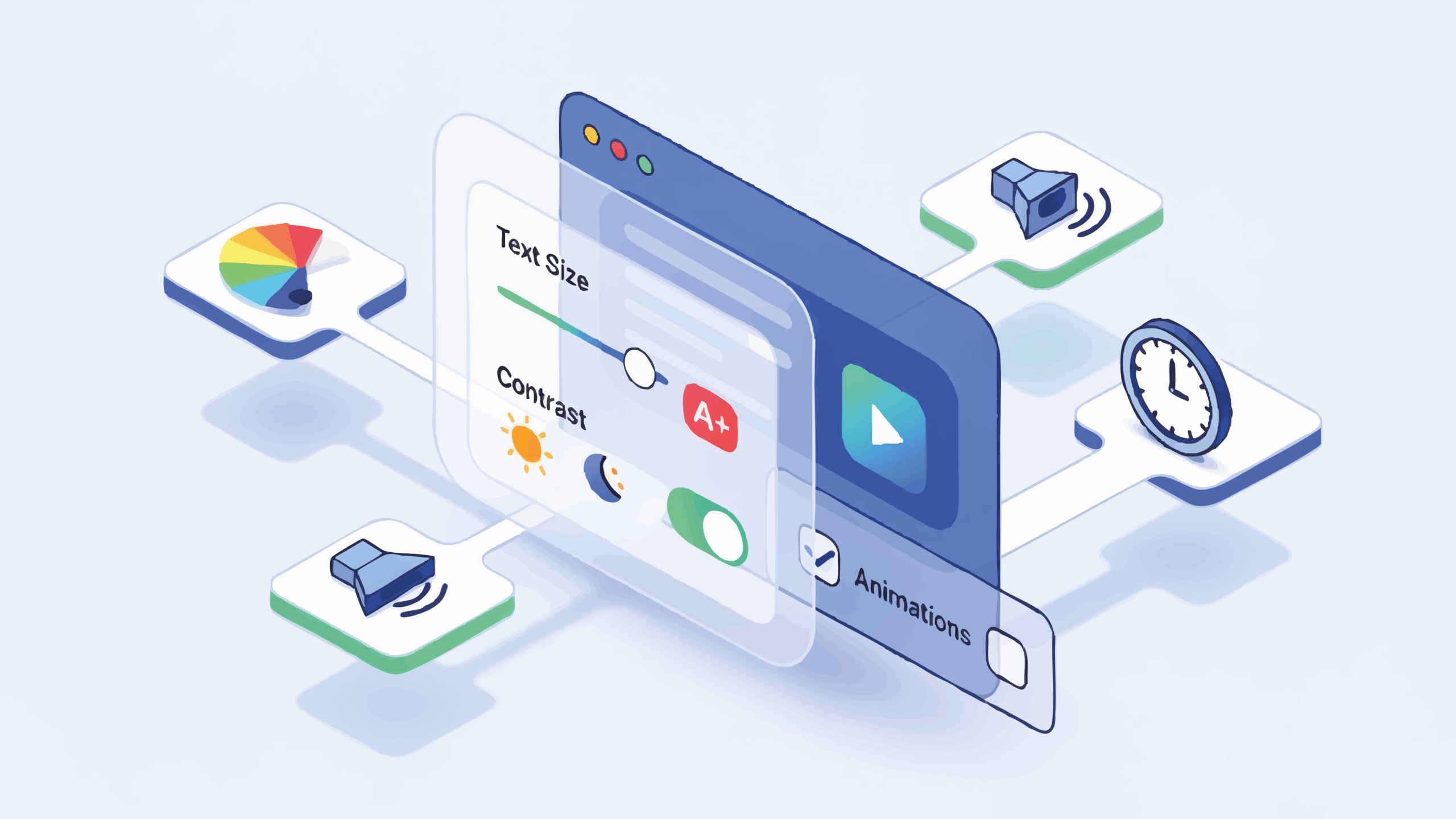
- Personalised UI themes: for example “dark mode” by default for users who prefer it; font size adaptation for accessibility; language / region‑based customisation (currency, units, locale).
- Behaviour‑driven adaptations: e.g. simplifying navigation for first‑time users; surfacing more advanced options for power users; hiding redundant UI elements; or adaptive onboarding flows.
Adaptive design ensures the user’s experience is optimised for their moment — not just generic convenience.
4. Real‑Time Personalisation & AI‑Driven Recommendations
With better computing power and data infrastructure, many brands are now capable of real‑time personalisation: adjusting what users see on‑the-fly based on their recent clicks, scrolls, or interactions. This can include:
- Real‑time product recommendations;
- Contextual pop-ups or prompts;
- Content layout changes;
- Dynamic pricing offers or promotions;
- Real‑time chat support or chatbots offering context‑aware help.
Academic research continues to show these approaches can significantly increase engagement and conversions. arXiv+1
5. Personalised Branding & Communication — Micro‑branding, Identity‑based Marketing
Some leading brands use personalisation to craft not just messages, but identity — aligning with individual user’s values, lifestyles or aspirations. Examples:
- Customisable products (colours, materials, engraving, flavours).
- Marketing communications tailored to segments: e.g. eco-conscious versions of campaigns for sustainability‑oriented users; youth‑oriented messaging for younger demographics; inclusive or accessibility‑aware content for users with specific needs.
- Adaptive storytelling: content sequences that evolve based on user interests, past engagement or journey stage.
This moves beyond simple product recommendation — it becomes a form of personal relationship between brand and user.
6. Omnichannel Experience: Consistent Personalisation Across Touchpoints
Today’s users jump between devices and channels — website, mobile app, email, social media, in‑store, etc. Personalised & adaptive design becomes most powerful when it’s consistent across all these touchpoints.
For example: a user adds items to a web cart on their desktop, receives a personalised email with a discount shortly after, sees relevant messaging on social media, and then visits the brand’s mobile app to complete purchase — all with a seamless, unified experience.
This omnichannel cohesion is possible only when data, design and delivery systems work together — but the payoff in user satisfaction and loyalty can be significant.
Why Personalised & Adaptive Design Matters — Benefits for Brands and Users
🚀 Business & Brand Advantages
1. Higher Engagement, Conversion, and Revenue
Personalisation tends to lead to better business outcomes. Brands that effectively personalise experiences often see higher conversion rates, improved average order values, and increased repeat purchase frequency. According to marketing‑industry analysis, personalisation helps drive both acquisition and retention. Adobe for Business+1
In addition, a 2025 report shows 44 % of UK shoppers find personalised offers or promotions to be the most influential content when it comes to sharing and purchasing. InternetRetailing+1
2. Competitive Differentiation
In saturated markets, personalisation can be a key differentiator. When many brands offer similar products or services, the one that offers the most relevant, convenient and individual‑centred experience stands out. Personalisation becomes part of brand identity and perceived value.
3. Customer Loyalty & Lifetime Value
When customers feel seen and understood by a brand, they’re more likely to return and become loyal. According to some UK‑market data, personalised experiences significantly increase brand loyalty and repeat purchasing. Business Wire+1
4. Better User Experience & Customer Satisfaction
Adaptive design improves usability, accessibility and comfort for users. By catering to device, context, individual preferences (e.g. language, accessibility), brands make experiences smoother and more inclusive — leading to improved satisfaction and brand perception.
5. Efficient Marketing & Reduced Waste
Personalised marketing and adaptive content delivery help brands avoid generic blanket campaigns. By segmenting users and delivering tailored messages, brands can use resources more efficiently, and avoid alienating users with irrelevant content.
Challenges, Risks & Ethical Considerations
Yet personalised and adaptive design is not without pitfalls. Brands attempting to adopt these practices must navigate several risks.
⚠️ 1. Data quality, infrastructure, and technical complexity
To personalise effectively requires good data — about user behaviour, preferences, context — and robust systems to handle, store, analyse and act on it. Many UK retailers admit their personalisation capabilities remain “basic” or “pilot”. Business Wire Poor data quality, fragmented systems, or lack of expertise can lead to broken or misleading personalisation.
🔐 2. Privacy, consent & trust
Collecting and using personal data comes with responsibilities. Users are increasingly aware of privacy risks. If brands overstep — intrusive tracking, creepy targeting, misuse of data — the backlash can be severe. Research shows many UK consumers find “over‑personalised” advertising to be off‑putting. Marketing Week+1 Transparency and opt‑in consent are fundamental. Without ethical data handling and user consent, personalisation can erode trust rather than build it.
🧠 3. Over‑personalisation & filter bubbles
When everything is personalised, users might get “boxed in”— seeing only what algorithms think they want, reducing discovery, serendipity, diversity. Over time, this can cause fatigue or boredom. The “personalisation paradox” — where consumers want relevance, but also value unpredictability and control — is a real concern. Spotler+1
♿ 4. Accessibility & Fairness
Adaptive and personalised design must not exclude users who opt out of tracking or use non-standard devices, or who have accessibility needs. Over‑customisation that depends on invasive data might disadvantage privacy‑conscious users.
⚙️ 5. Operational costs & maintenance
Maintaining a personalised/adaptive system requires ongoing investment — in data infrastructure, creative assets, analytics, testing, and compliance. Many organisations underestimate the resources required, especially for real‑time personalisation across channels.
How Brands (and Designers) Can Implement Personalised & Adaptive Design — Best Practices & Strategy
For brands and design teams looking to shift toward personalised / adaptive design, here is a strategic roadmap and best‑practice guide.
Step 1: Start with Strategy & Data Ethics
- Define clear goals: what do you want personalisation to achieve — higher conversions, better retention, improved UX?
- Map data flows: what data will you collect, how will it be stored, processed, used — in compliance with data protection and privacy regulations (e.g. GDPR).
- Prioritise transparency and consent: build trust by being open about what data you collect, why, and give users control to opt in/out.
- Segment thoughtfully: rather than “everyone sees the same”, define meaningful user segments or personas; but avoid over‑segmenting to preserve manageability.
Step 2: Build Infrastructure & Choose Tools
- Use Customer Data Platforms (CDPs) or analytics tools to aggregate data across channels (web, mobile, CRM).
- Use adaptive UI/UX frameworks or responsive design practices to handle device/context variability.
- Consider AI or real‑time personalisation engines — but ensure they’re explainable, transparent and user‑friendly.
- Ensure accessibility: personalised design should not compromise usability for any user group.
Step 3: Design for Flexibility & Modularity
- Build design systems and UI components that can adapt: modular components, conditional rendering, style/themes variants, adjustable layouts.
- Use content management tools that allow dynamic content (e.g. headless CMS, component‑based architecture).
- Design fallback experiences — for users with cookies disabled, for anonymised users — so there’s always a usable baseline.
Step 4: Test, Measure & Iterate
- Use A/B testing, multivariate testing and analytics to understand what personalisation work best — for which segments, contexts, times.
- Monitor performance: personalisation should not degrade load times, accessibility, or stability.
- User feedback: collect qualitative feedback (surveys, interviews) — does the personalisation feel helpful or intrusive?
- Audit data usage and privacy compliance regularly.
Step 5: Scale Gradually & Respectfully
- Start with simple but high‑impact personalisations: product recommendations, email customisation, basic adaptive UI.
- Expand gradually as you learn: more complex personalization (real‑time offers, dynamic UI) only when infrastructure, data quality, and user trust are strong.
- Maintain transparency: explain to users why they see certain content — and let them opt out if they wish.
Real‑World Examples & Emerging Trends
🎯 AI‑Driven Personalisation & Recommendation Engines
Brands increasingly leverage AI and machine learning to power personalisation: using collaborative filtering, behavioural prediction, and real‑time analytics to deliver tailored recommendations, content, offers and communication. These systems can adapt as the user’s preferences evolve — meaning the experience becomes more intelligent and refined over time. This trend is growing rapidly in e‑commerce, media, and subscription services. InternetRetailing+1
🔄 Omnichannel Customer Journeys
Leading brands now aim to deliver a seamless personalised experience across multiple touchpoints — website, mobile, email, social media, in‑store, support channels. This holistic approach ensures the user feels recognised and understood at every stage.
🌍 Hyper‑local & Contextual Personalisation
Some brands factor in the user’s location, time, device or even weather/context to adapt their offers. For example, showing raincoats in a region experiencing heavy rainfall; or surfacing content relevant to a user’s city. This kind of contextual personalisation blends adaptive design and real‑time data to increase relevance.
🧑🤝🧑 Inclusive & Accessible Personalisation
Adaptive design also enables brands to serve users with different needs: accessibility‑first design, adjustable UI, localised language/currency, inclusive visuals. Personalisation becomes a tool not just for marketing, but for accessibility and inclusivity.
🧑💻 Subscription & Membership‑Based Personalisation
Subscription services, streaming platforms, digital publications often lead with personalisation. By tracking user preferences and behaviour, they dynamically surface relevant content, recommended reads/shows/products, and tailored interfaces — creating a “digital bespoke” experience for each user.
What It Means for the Future of Design & Branding
The rise of personalised and adaptive design signals a deeper transformation in how brands think about audiences. It’s not about broadcasting a single message to a mass — it’s about dialog, empathy, and context. Some broader implications:
- Design becomes dynamic and data‑driven. Static design, one‑size visuals and standard templates will increasingly feel outdated; design will need to be modular, flexible and dynamic — responsive not just to device but to user.
- Brand identity becomes fluid. Rather than a fixed “brand look”, brands may evolve identities per user or context — while maintaining core values, but allowing variation in tone, imagery or layout.
- Privacy & ethics become central. As personalisation scales, so do expectations for transparency, respect, and data ethics. Designers and product teams must embed privacy and consent by design.
- New skillsets emerge. Data‑analysis, UX behavioural design, adaptive UI/UX architecture, performance optimisation — design increasingly overlaps with data, development and product.
- Customer loyalty depends on trust & value. Personalisation can deepen loyalty — but only if users feel respected, informed and see real benefit. Companies failing to deliver thoughtful personalisation risk alienating users.
In short, the future of branding and web design is not just visual — it’s behavioural, contextual, and deeply personal.
Conclusion
Personalised and adaptive design is not a fad. It reflects a fundamental shift in how brands and consumers interact: from mass broadcasting to one‑to‑one conversation. In 2025 — especially within the UK market — consumers expect relevance, convenience and respect for their preferences. Brands that recognise each individual’s uniqueness, respond to context, and offer experiences tailored to their needs are more likely to connect, convert and retain.
Yet doing personalisation well requires more than data — it requires empathy, design thinking, privacy respect, technical discipline and ongoing adaptation. For brand managers, designers, developers, marketers: the challenge is real but so is the opportunity.

The Ultimate Social Media Guide
With the ever-growing power of social media, we use the latest techniques, video, and animation software to craft eye-catching social media assets that make your brand pop. Our designers, wielding Adobe Creative tools, create distinctive animations and graphics to illuminate your brand story and highlight your products or services. Want a unique design? No problem – we also offer bespoke designs to match your brand aesthetic.