
News
The Role of User Experience in Boosting Online Conversions for Business
A website can attract thousands of visitors every month. But if those visitors leave without taking action — signing up, enquiring, or buying — then traffic is wasted. This is where User Experience (UX) comes in.
User Experience is more than design. It’s about how people feel when they interact with your website or digital platforms. A good UX makes actions simple, intuitive, and satisfying. A poor UX creates friction, frustration, and lost sales.
In a digital economy where customers can switch to competitors with a single click, UX is no longer a “nice to have” — it’s a critical driver of conversions. This article explores how UX directly influences business outcomes, why it matters for every leader, and how to leverage it for measurable growth.
Why User Experience Matters
For business leaders, UX can sometimes feel like a vague design concept. But the numbers show its impact:
- 88% of users are less likely to return to a website after a bad experience.
- 70% of online businesses fail due to poor usability.
- A 1-second delay in page response can reduce conversions by 7%.
UX is the bridge between marketing and sales. It ensures the investment you’ve made in advertising, SEO, and content actually leads to results.
What Makes Up User Experience?
UX combines multiple factors into a seamless digital journey. The core elements include:
- Usability – How easy is it to navigate and achieve goals?
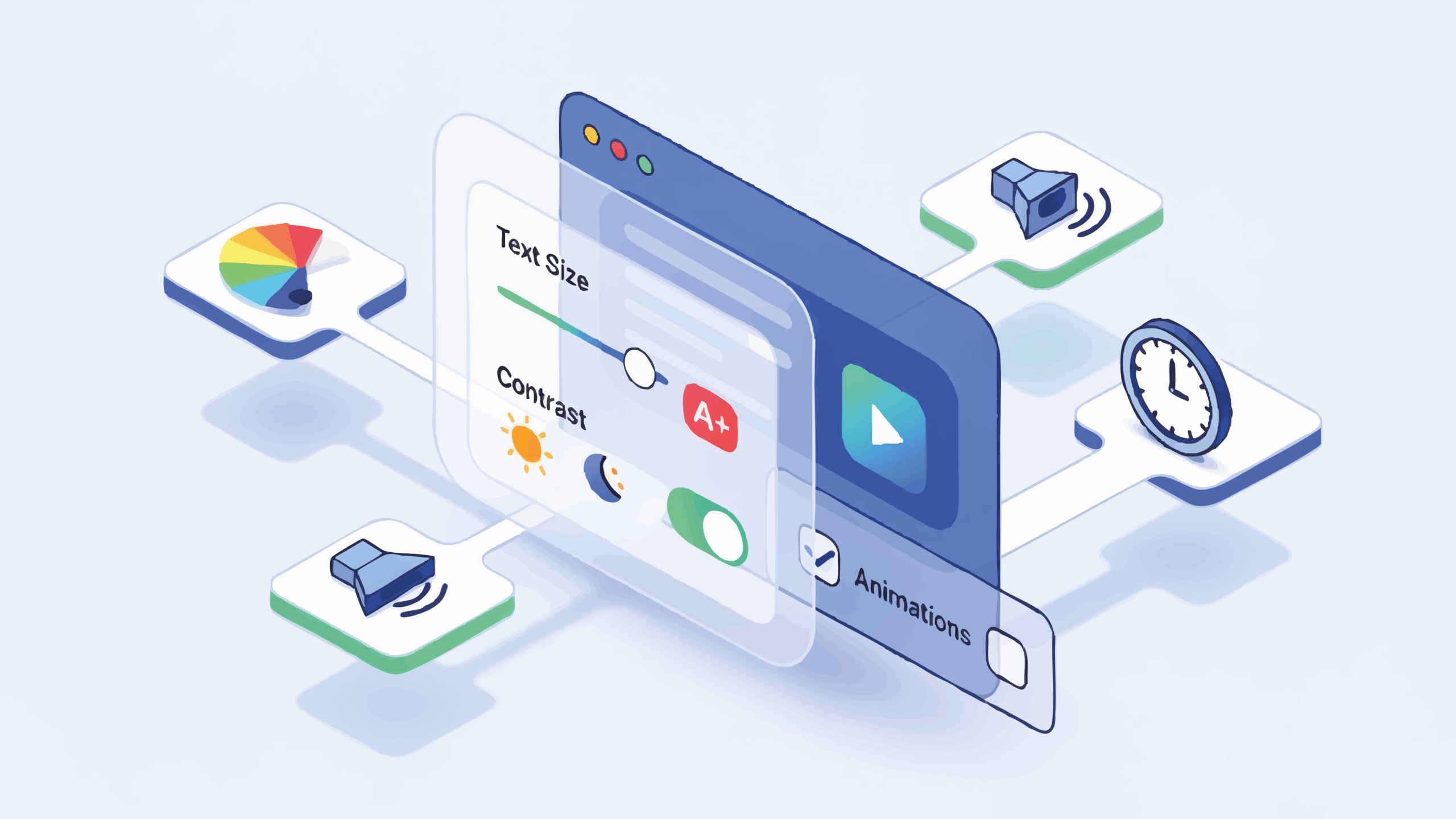
- Accessibility – Can all users, including those with disabilities, interact effectively?
- Performance – Does the site load quickly and reliably?
- Design and Layout – Is the look professional, engaging, and brand-consistent?
- Content Experience – Are messages clear, relevant, and persuasive?
- Trust and Credibility – Do users feel safe and confident engaging with your business?
When all of these align, users are more likely to convert.
How UX Drives Conversions
1. Reducing Friction in the Customer Journey
Every click, form field, or delay introduces friction. If the path to conversion feels too complicated, users abandon it.
Examples of friction:
- Checkout processes with too many steps.
- Confusing menus or navigation.
- Mandatory account creation before purchase.
The fix: Simplify. Streamline checkout. Use progress indicators. Offer guest checkout options.
2. Creating Trust and Credibility
Design affects perception. A poorly designed site signals unprofessionalism, while clear design with trust signals (reviews, security badges, clear policies) builds confidence.
Practical trust boosters:
- Display testimonials and case studies.
- Highlight certifications or awards.
- Use HTTPS and secure payment gateways.
3. Personalisation and Relevance
Users convert more when they feel understood. UX design that adapts to customer behaviour — through personalised recommendations, dynamic content, or location-based offers — creates stronger engagement.
Example: E-commerce platforms suggesting products “based on your browsing history” see significantly higher basket values.
4. Clear Calls-to-Action (CTAs)
Conversions don’t happen unless users know what to do next. UX design ensures CTAs are clear, compelling, and easy to act on.
Good CTAs:
- Stand out visually.
- Use action-driven language (“Book a Demo”, “Get My Free Quote”).
- Are placed logically along the journey.
5. Mobile-First Experience
With mobile driving the majority of traffic, UX that isn’t optimised for smaller screens loses customers.
Mobile UX essentials:
- Responsive layouts.
- Large, tap-friendly buttons.
- Prioritised content (shorter headlines, concise copy).
The Business ROI of UX
Investing in UX pays back many times over. According to research, every £1 spent on UX can yield £100 in return.
Benefits include:
- Higher conversion rates.
- Reduced customer support costs (fewer confused users).
- Increased customer loyalty and lifetime value.
- Lower bounce rates, improving SEO performance.
Building a UX Strategy That Boosts Conversions
For business leaders, UX should be a structured, ongoing strategy. Here’s how:
1. Research Your Audience
- Conduct usability testing.
- Gather feedback from customers.
- Use analytics to identify drop-off points.
2. Map the Customer Journey
Visualise every step from first click to final purchase. Where are users abandoning? Where is confusion?
3. Prioritise Mobile and Speed
Optimise for mobile-first indexing. Ensure Core Web Vitals (loading speed, interactivity, visual stability) meet Google’s standards.
4. Test and Iterate
UX isn’t static. Run A/B tests on layouts, CTAs, and forms. Monitor heatmaps to see where users click or drop off.
5. Align UX with Brand and Trust
Ensure design reflects your brand values while communicating reliability and professionalism.
Common UX Mistakes That Cost Conversions
- Overloading users with choices (too many CTAs, too many menu options).
- Ignoring accessibility (alienating disabled users).
- Relying on aesthetics over function (sites that look good but confuse users).
- Neglecting consistency (different fonts, colours, or tone across pages).
Future of UX in 2026 and Beyond
Emerging trends will reshape UX further:
- AI-driven personalisation – content and recommendations tailored in real time.
- Voice interfaces – optimising for voice commands and searches.
- Augmented reality (AR) – immersive product experiences (already growing in retail and real estate).
- Ethical UX – designing experiences that are inclusive, transparent, and accessible.
Businesses that invest now will not only convert better today but also stay ahead tomorrow.
Final Thoughts
User Experience is no longer just about design. It’s about conversions, trust, and business growth. A good UX strategy reduces friction, builds credibility, and ensures every click has the potential to turn into a customer.
For business owners and marketing directors, the message is clear: ignore UX, and you leave money on the table.
The businesses that win in 2025 and beyond will be those that treat UX as a measurable growth driver — not an afterthought.





The Ultimate Social Media Guide
With the ever-growing power of social media, we use the latest techniques, video, and animation software to craft eye-catching social media assets that make your brand pop. Our designers, wielding Adobe Creative tools, create distinctive animations and graphics to illuminate your brand story and highlight your products or services. Want a unique design? No problem – we also offer bespoke designs to match your brand aesthetic.