
News
Visual Storytelling That Converts: How Strategic Photography and Video Drive Digital Engagement
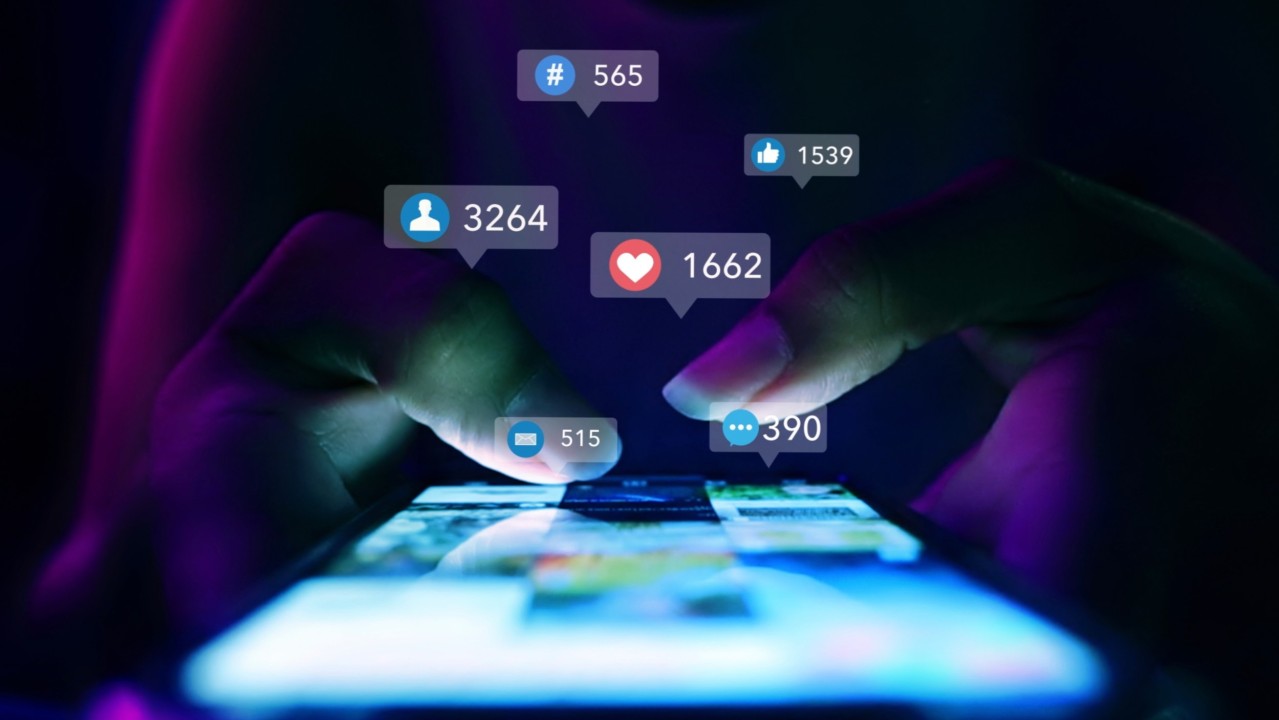
We live in a world where people scroll faster than they read. Attention spans are shorter, competition is fiercer, and algorithms increasingly prioritise visual content.
That’s why photography and videography are no longer “nice-to-have” marketing extras — they are central to digital engagement and conversion strategy.
Whether it’s a website hero image, a social media campaign, or a brand video, visuals tell your story faster — and more emotionally — than words ever could. The right image or video doesn’t just capture attention; it builds trust, evokes emotion, and drives customers to take action.
In this article, we’ll explore how to use strategic photography and videography to build emotional connections, enhance brand trust, and boost conversion performance in 2025 and beyond.
The Power of Visual Storytelling
Humans are wired for stories. Long before written language, we communicated through imagery. Today, digital storytelling taps into that same psychology — visuals trigger emotion and understanding faster than text.
Studies show that people remember 80% of what they see, compared to only 20% of what they read. That’s why visuals dominate digital communication: they make your message memorable.
But not all visuals are equal. Generic stock imagery doesn’t inspire trust or connection. Strategic, brand-led photography and video do.
Why Photography and Video Drive Conversions
Visuals influence purchasing decisions more than ever.
According to HubSpot:
- 91% of consumers prefer visual content over written content.
- Video marketers get 66% more qualified leads per year.
- Websites with strong visuals retain visitors up to 88% longer.
When designed strategically, your visuals don’t just attract attention — they drive measurable results.
How Visuals Convert:
- They build trust. Authentic visuals make brands feel real and reliable.
- They evoke emotion. Emotion drives action — whether that’s a purchase, a signup, or a share.
- They clarify complex ideas. Product videos and infographics simplify decision-making.
- They influence memory. People buy from brands they remember.
Visual storytelling bridges the gap between awareness and action.
Photography: The Foundation of Visual Trust
Photography is often the first visual impression a customer has of your brand. It communicates your professionalism, values, and attention to detail.
1. Authenticity Over Perfection
Customers crave authenticity. In 2025, audiences are quick to spot and ignore overly polished or artificial imagery.
- Use real people (staff, customers, lifestyle imagery) wherever possible.
- Showcase your workplace, culture, and behind-the-scenes moments.
- Avoid clichéd stock photos — they harm trust more than they help.
Authentic photography humanises your brand, making it relatable and trustworthy.
2. Visual Consistency
Your photos should have a consistent style, tone, and palette across all platforms.
- Choose a signature visual style — bright and clean, moody and elegant, or minimal and modern.
- Apply consistent colour grading for brand cohesion.
- Use repetition of lighting, angles, and composition to create familiarity.
Visual consistency is the photographic equivalent of a strong brand voice.
3. Product and Lifestyle Photography
In e-commerce and B2B alike, photography sells.
- Product imagery should be sharp, well-lit, and detailed. Customers should feel confident they know exactly what they’re buying.
- Lifestyle imagery brings context — showing products in real-world use cases. This creates aspiration and relatability.
Example: A luxury candle company doubled its conversion rate by replacing white-background product shots with lifestyle photos showing candles lit in ambient, home-like settings.
4. People-Centric Photography
Faces create connection. Humans naturally gravitate toward human imagery — it evokes empathy and emotion.
- Use real employees and customers in imagery.
- Capture candid moments rather than staged poses.
- Maintain eye contact where appropriate; it increases viewer engagement.
People buy from people — not faceless logos.
Videography: The Emotion Multiplier
Video is the most powerful storytelling tool in your marketing arsenal. It blends visuals, sound, and narrative to capture attention and emotion simultaneously.
In 2025, video dominates digital platforms:
- TikTok, Instagram Reels, and YouTube Shorts are shaping content discovery.
- Website landing pages with video increase conversion rates by up to 80%.
- Video in email increases click-through rates by 200–300%.
1. Tell Stories, Don’t Sell
The best videos don’t sell products — they tell stories.
- Focus on customer journeys and brand purpose.
- Use emotional triggers like curiosity, pride, belonging, or inspiration.
- Keep messaging subtle and human.
Your audience should feel something before they think something.
2. Keep it Short, Sharp, and Purposeful
Attention spans are shrinking. The average user scrolls past content in under 1.5 seconds unless something hooks them.
- Lead with the hook in the first 3 seconds.
- Keep social videos under 30–45 seconds.
- Reserve longer formats for storytelling or educational content.
Brevity isn’t just a creative choice — it’s a performance strategy.
3. Use Video Across the Customer Journey
Different types of video content serve different purposes:
Awareness = Brand films, social clips, teasers – Build recognition and emotion
Consideration = Product demos, testimonials – Build understanding and trust
Conversion = Explainer videos, offers – Drive decision and urgency
Retention = How-to guides, customer success stories – Reinforce loyalty
Strategic use of video turns passive viewers into active customers.
4. Optimise Video for Platforms and AI Discovery
Each platform’s algorithm rewards specific formats:
- Instagram Reels & TikTok: Vertical, quick, and visually engaging.
- LinkedIn: Professional storytelling, subtitled, and purpose-driven.
- YouTube: Informative, searchable, and evergreen.
Use captions, structured titles, and descriptions to make your videos searchable — not just watchable.
AI-driven recommendation engines now surface videos based on content relevance and engagement signals, not just keywords.
Combining Photography and Video: The Hybrid Strategy
Your visuals should complement each other — not compete.
- Use photography to build identity and familiarity.
- Use video to bring depth, emotion, and story.
- Repurpose video stills for social media and email.
- Embed video alongside photography on product pages for richer engagement.
Example: A UK fitness brand used short video clips of trainers demonstrating products, integrated with high-quality still photography. The result? A 37% increase in conversion rate within three months.
Emotional Design and Visual Strategy
Visuals don’t just communicate — they persuade. By applying emotional design principles, you can guide user behaviour through feeling.
Key Emotional Drivers:
- Trust – Achieved through professional imagery and real testimonials.
- Excitement – Created with dynamic video transitions and bold colour.
- Comfort – Achieved with soft lighting and natural imagery.
- Inspiration – Sparked through storytelling and real-life success examples.
Your visuals should consistently evoke the emotion you want your brand to be associated with.
Practical Tips for Businesses
- Invest in Original Visual Assets Commissioning a professional photographer or videographer pays off. Original content builds brand authenticity.
- Plan Visual Campaigns Strategically Don’t create content randomly. Align visuals with campaigns, product launches, or key marketing goals.
- Use Storyboards and Shot Lists Planning ensures every image or clip has a clear purpose.
- Prioritise Quality Over Quantity Ten strong visuals will outperform fifty generic ones.
- Measure Performance Track which visuals drive engagement, shares, and conversions — then refine your approach.
The Future of Visual Marketing
The next era of digital storytelling will be shaped by:
- AI-powered creative tools – helping automate editing and content repurposing.
- Immersive content – AR and 360° videos providing deeper engagement.
- Interactive storytelling – shoppable videos and clickable visuals.
- Hyper-personalisation – visuals tailored to user behaviour and preferences.
Brands that embrace these trends early will dominate attention and trust in the years ahead.
Final Thoughts
Photography and videography aren’t just creative assets — they’re conversion tools.
In a world saturated with content, the visuals that win are the ones that tell real stories, build emotion, and earn trust.
As we move through 2025 and beyond, businesses that treat visual storytelling as a strategic pillar — not a design accessory — will rise above the noise.
Because people don’t just buy products. They buy the story behind them — and your visuals are how you tell it.













The Ultimate Social Media Guide
With the ever-growing power of social media, we use the latest techniques, video, and animation software to craft eye-catching social media assets that make your brand pop. Our designers, wielding Adobe Creative tools, create distinctive animations and graphics to illuminate your brand story and highlight your products or services. Want a unique design? No problem – we also offer bespoke designs to match your brand aesthetic.