News
From SEO to GEO: How Generative Engine Optimisation Is Reshaping Digital Marketing
Why businesses must evolve beyond traditional search strategies as AI-powered discovery changes how customers find information
For more than two decades, SEO has been one of the foundations of digital marketing.
Businesses invested heavily in improving rankings, targeting keywords, building backlinks, and increasing organic traffic. Success was measured by visibility within search engine results pages and the ability to attract visitors through traditional search behaviour.
For many organisations, SEO became synonymous with online growth.
However, a fundamental shift is now taking place.
The rise of AI-powered search experiences, conversational interfaces, and generative answer engines is changing how information is discovered online. Instead of simply presenting users with a list of links, AI systems increasingly generate direct answers, summaries, recommendations, and insights.
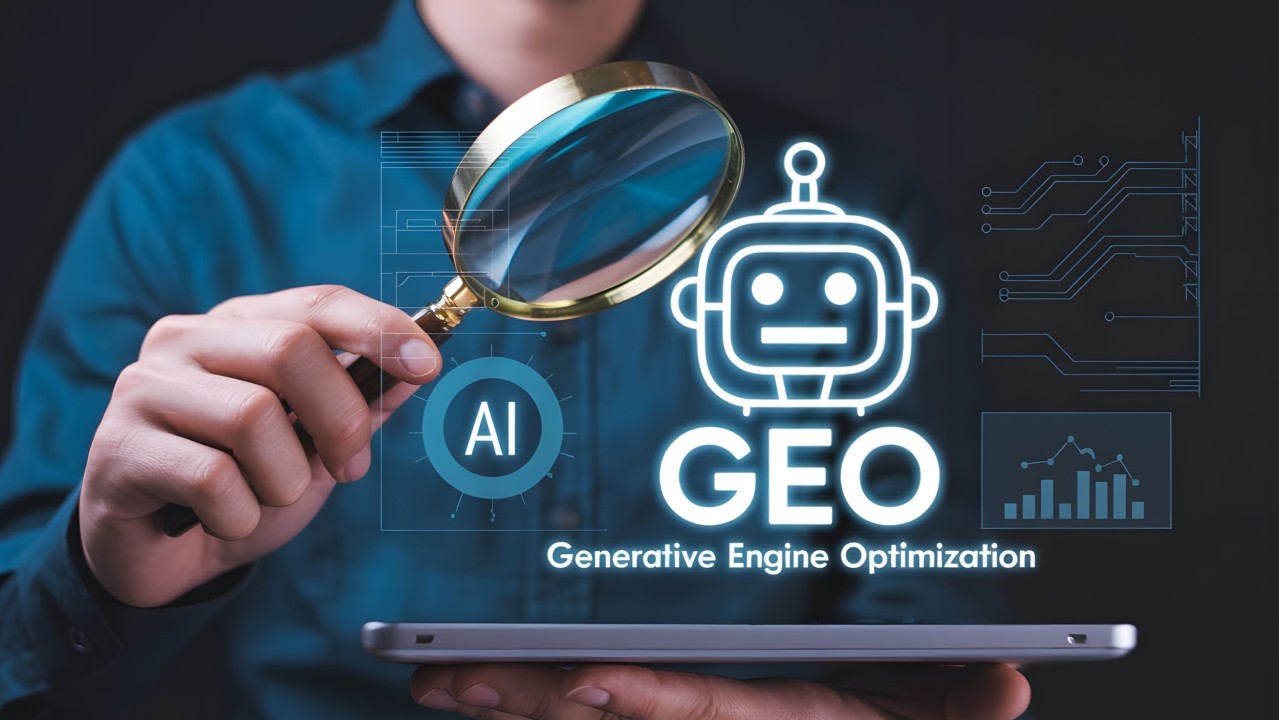
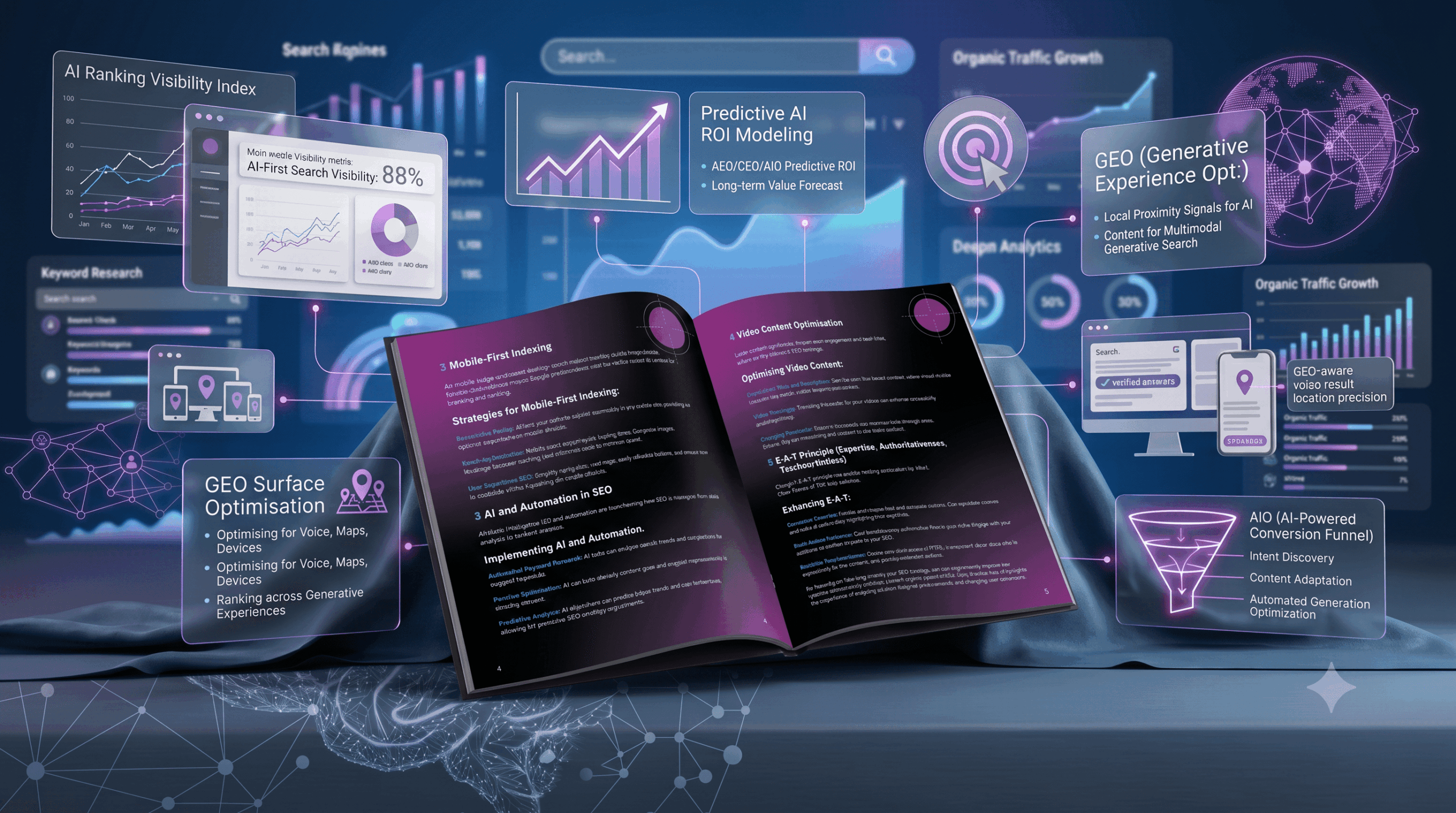
This evolution is giving rise to a new discipline: Generative Engine Optimisation (GEO).
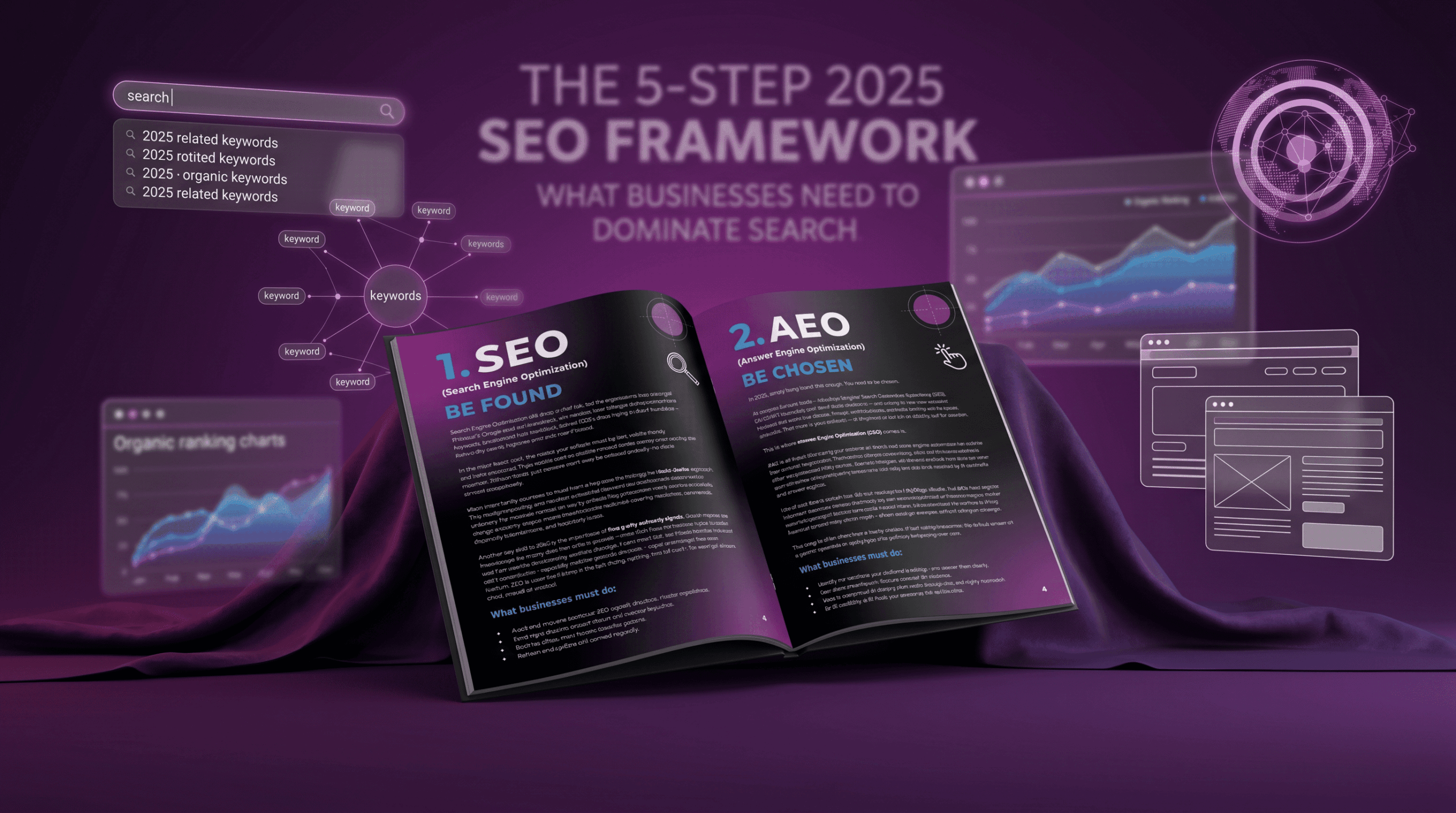
While SEO focuses on helping websites rank within search engines, GEO focuses on helping businesses become visible within AI-generated answers and recommendations.
For modern businesses, understanding this distinction is becoming increasingly important.
Because the future of visibility is no longer just about being found.
It is about being referenced.
The Evolution of Search Behaviour
The traditional search journey followed a familiar pattern.
A user entered a query, reviewed several search results, clicked on a selection of websites, and gradually gathered enough information to make a decision.
SEO was designed to influence this process.
The goal was to ensure a website appeared prominently enough to attract attention and generate clicks.
AI-powered search is changing that behaviour.
Users increasingly ask questions in a natural, conversational way. Instead of receiving a list of ten links, they are often presented with a synthesised answer compiled from multiple sources.
The emphasis is moving away from searching and towards asking.
And that changes everything.
Businesses are no longer competing only for rankings. They are competing to become part of the answer itself.
What Is Generative Engine Optimisation?
Generative Engine Optimisation refers to the process of improving a business’s visibility within AI-generated responses.
Rather than focusing solely on search engine rankings, GEO focuses on helping AI systems understand, trust, and reference your content when generating answers.
This requires a different way of thinking.
Traditional SEO asks:
“How do we rank higher?”
GEO asks:
“How do we become a trusted source that AI systems choose to cite and recommend?”
The difference may appear subtle, but it reflects a major shift in how digital visibility is earned.
Why Rankings Are No Longer the Whole Story
Many businesses still evaluate digital performance primarily through rankings and traffic.
While these metrics remain valuable, they no longer tell the complete story.
A user may now receive an answer from an AI platform without ever visiting a search results page. They may discover a business through an AI-generated recommendation rather than through a traditional click.
This means influence is increasingly occurring before website visits happen.
Businesses can affect decisions without necessarily generating the same volume of traffic they would have received in previous years.
The organisations that understand this shift are beginning to focus on visibility, authority, and recommendation rather than rankings alone.
Why Authority Is Becoming the New Ranking Factor
Generative AI systems are designed to minimise uncertainty.
When generating answers, they seek information from sources that appear credible, authoritative, and trustworthy. As a result, authority has become one of the most important components of GEO.
This authority is built through multiple factors.
Content depth, consistency, expertise, external references, industry recognition, and topical relevance all contribute to whether a business is perceived as a reliable source.
Businesses that publish thin, keyword-focused content often struggle because they provide little evidence of genuine expertise.
By contrast, organisations that consistently educate their audiences and demonstrate deep knowledge within their industries create stronger authority signals.
These signals increasingly influence whether AI systems choose to reference them.
The Shift from Keywords to Concepts
Traditional SEO has often revolved around keyword targeting.
While keywords remain important, AI systems are increasingly focused on understanding concepts and relationships rather than matching exact phrases.
This means businesses need to think beyond individual search terms.
Modern content strategies should focus on explaining topics comprehensively, answering related questions, and building contextual understanding around core subject areas.
AI systems evaluate how ideas connect.
They look for evidence that a source understands a topic rather than simply mentioning specific keywords.
This is one of the reasons topical authority is becoming such an important part of modern optimisation strategies.
Content Structure Matters More Than Ever
One of the defining characteristics of successful GEO strategies is content clarity.
AI systems need to interpret information efficiently. Content that is poorly structured, confusing, or difficult to understand is less likely to be used when generating responses.
This means businesses should focus on creating content that is:
- logically organised
- semantically clear
- easy to navigate
- rich in context
- built around user intent
The goal is not simply to create content that ranks.
The goal is to create content that AI systems can understand and trust.
Clear communication is becoming a competitive advantage.
Why Topical Authority Is Replacing Page-Level Optimisation
In traditional SEO, individual pages often acted as the primary optimisation targets.
Businesses would create dedicated pages for specific keywords and attempt to rank them independently.
GEO encourages a broader perspective.
AI systems increasingly evaluate entire content ecosystems rather than isolated pages. They assess whether a business consistently demonstrates expertise across an entire subject area.
This means successful businesses are investing in:
- topic clusters
- supporting content hubs
- educational resources
- thought leadership articles
- interconnected content ecosystems
The objective is no longer simply to rank a page.
It is to establish authority around a topic.
The Role of Brand Recognition in GEO
Brand strength is becoming increasingly important in AI-driven environments.
AI systems evaluate signals from across the wider digital ecosystem. Businesses with strong brand presence, thought leadership activity, media mentions, and consistent messaging create stronger trust signals than businesses operating in isolation.
This means GEO extends beyond website optimisation.
Activities such as:
- LinkedIn content
- founder-led thought leadership
- PR campaigns
- podcast appearances
- industry commentary
all contribute to digital authority.
The more recognisable a brand becomes, the more likely it is to be surfaced within AI-generated responses.
Why User Experience Still Matters
Despite the growing focus on AI, user experience remains critically important.
AI systems ultimately aim to recommend sources that provide value to users. Websites that are difficult to navigate, slow to load, or confusing to use create weaker trust signals.
This means GEO cannot exist separately from UX.
Businesses should continue investing in:
These elements influence both human trust and machine confidence.
The best-performing websites increasingly satisfy both audiences simultaneously.
The Future of Digital Marketing Is Becoming More Integrated
One of the most significant implications of GEO is that digital marketing disciplines are becoming more interconnected.
Traditional SEO often operated independently from content marketing, branding, PR, social media, and UX.
That separation is becoming less effective.
Generative engines evaluate signals from across the entire digital landscape. As a result, visibility increasingly depends on how well all aspects of digital marketing work together.
Authority, trust, expertise, usability, and brand recognition now reinforce one another.
The businesses achieving the strongest results are those taking a holistic approach rather than treating channels in isolation.
Why Early Adoption Creates a Competitive Advantage
Many businesses are still focused almost entirely on traditional SEO metrics.
This creates a significant opportunity for organisations willing to embrace GEO early.
By building authority, improving content quality, strengthening digital trust signals, and creating AI-readable content structures now, businesses can establish stronger visibility before competition intensifies further.
As AI-powered discovery becomes more mainstream, the organisations that have already built these foundations will be in a far stronger position.
The earlier businesses adapt, the greater the potential advantage.
Visibility Is Moving Beyond Search
SEO is not disappearing.
It remains a vital component of digital marketing and will continue to play an important role for years to come. However, the nature of visibility is evolving.
Search engines are becoming answer engines.
Discovery is becoming recommendation-based.
And digital marketing is moving from a world where success depended on rankings to one where success increasingly depends on authority, trust, and contextual understanding.
The businesses that thrive in this new environment will not be those that simply optimise for keywords.
They will be the ones that become recognised experts within their industries.
Because the future of visibility belongs to businesses that AI systems understand, trust, and recommend.