News
From Search to Sale: How Every Marketing Channel Should Support the Customer Journey
Why the most successful businesses stop thinking in channels and start thinking in customer journeys
One of the biggest reasons marketing fails to deliver consistent results is because many organisations still think in terms of individual marketing channels rather than the complete customer experience. SEO is often managed separately from paid advertising, social media follows its own content calendar, email marketing is treated as a standalone activity and the website becomes a project that is only revisited every few years. While each discipline may perform well independently, they often fail to work together in a way that supports the customer from their very first interaction through to becoming a loyal client.
The reality is that customers never experience your marketing in isolated pieces. They don’t consciously move from SEO to social media and then to email marketing before deciding to make contact. Instead, they encounter a series of interactions that gradually shape their perception of your business. They may discover an article through Google, notice your expertise on LinkedIn, read a customer case study, receive a useful newsletter and finally visit your website to enquire. To them, it feels like one continuous conversation, and that is exactly how modern marketing should be designed.
The businesses achieving the greatest long-term success are those that understand this principle. Rather than measuring individual marketing activities in isolation, they create connected experiences where every channel reinforces the next, steadily building trust and reducing the uncertainty that naturally exists before making a purchasing decision.
The customer journey begins long before someone visits your website
Many organisations mistakenly believe that the customer journey starts when a visitor lands on their website. In practice, it often begins weeks or even months earlier. Today’s buyers have access to more information than ever before, and they spend considerable time researching potential suppliers before making direct contact. Recommendations from colleagues, educational articles, AI-powered search results, industry publications, podcasts, webinars and social media discussions all contribute to forming an opinion about a business long before a sales conversation takes place.
During these early stages, prospects are rarely looking to purchase immediately. Instead, they are trying to understand their challenges, evaluate possible solutions and identify organisations that appear knowledgeable and trustworthy. This is why educational content has become such an important part of modern marketing. Businesses that consistently provide helpful advice position themselves as credible experts before competitors have even entered the conversation.
By the time a prospective customer reaches your website, they may already have a strong impression of your organisation. The earlier your marketing supports their research process, the greater the likelihood that your business will be included on their shortlist when they are ready to buy.
SEO creates visibility, authority and trust
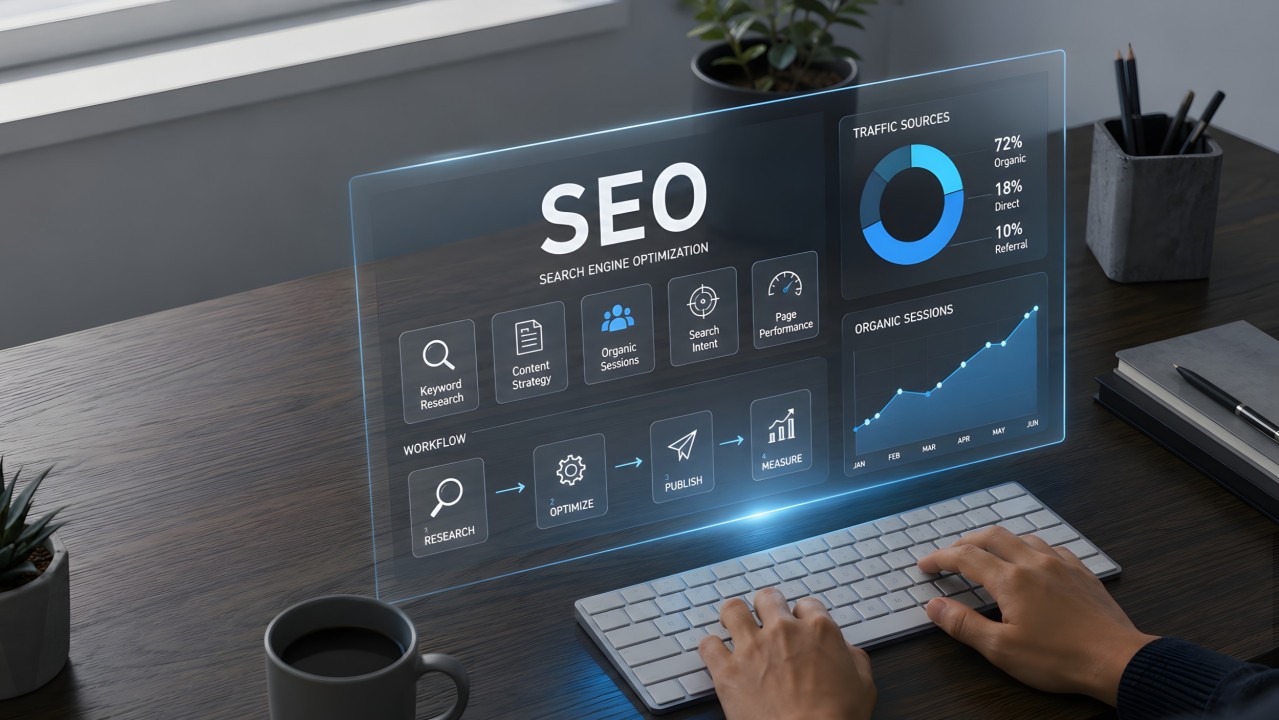
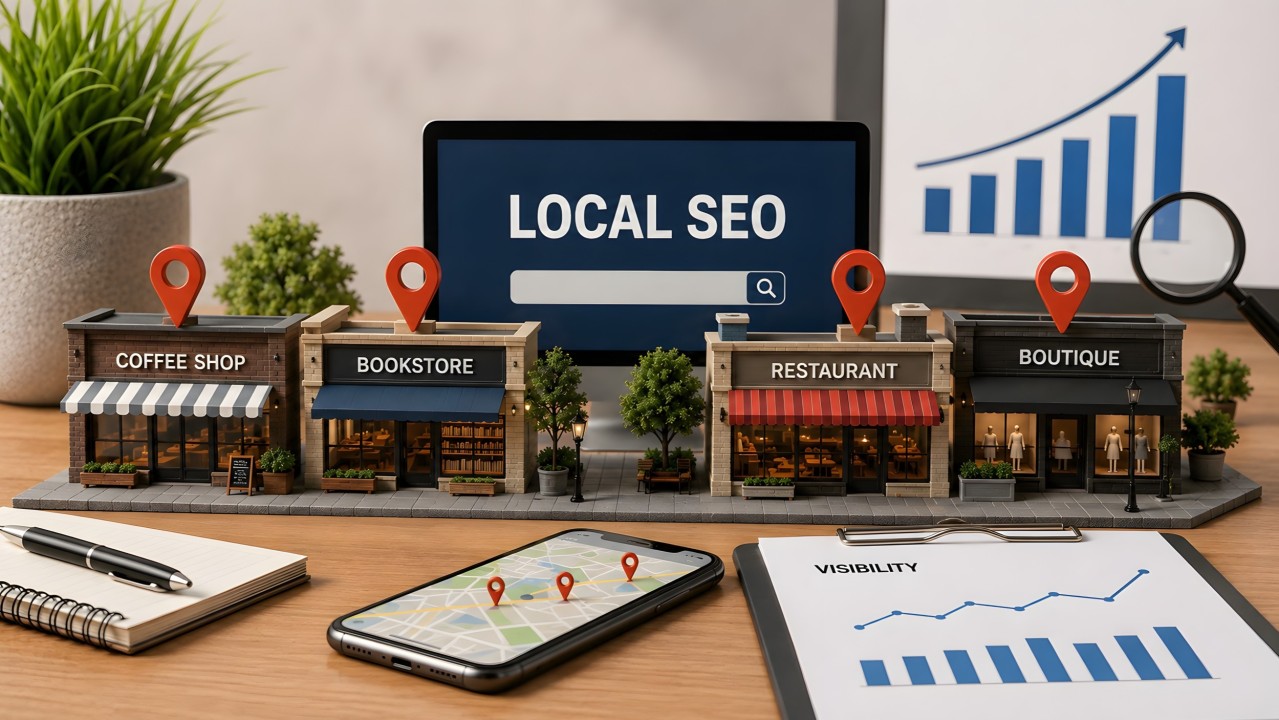
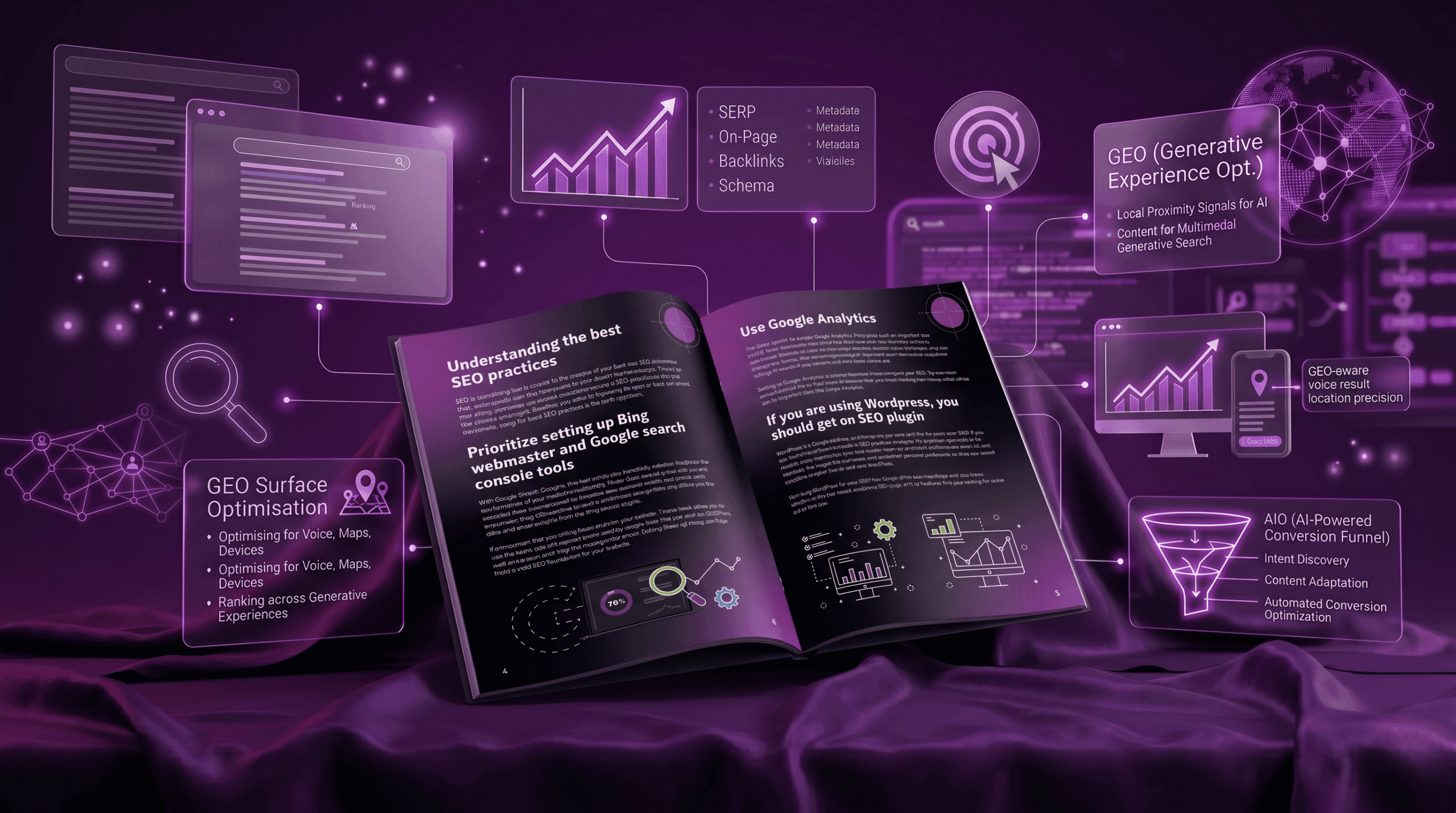
Search Engine Optimisation is often viewed purely as a way of increasing website traffic, but its true value extends much further. Effective SEO enables businesses to appear when prospective customers are actively seeking information, guidance and solutions to problems they are experiencing. Rather than interrupting people with advertising, SEO allows organisations to become visible at precisely the moment someone is looking for answers.
This creates an opportunity to establish credibility before competitors have had the chance to make an impression. A well-written article that answers a customer’s question or explains a complex topic demonstrates expertise in a way that traditional promotional messaging rarely can. Every helpful page becomes another opportunity to build confidence and strengthen brand awareness.
Businesses that focus exclusively on highly commercial keywords often overlook this wider opportunity. By creating content that addresses every stage of the buying journey—from initial awareness through to detailed product comparisons—they develop topical authority that benefits both traditional search engines and emerging AI-powered search platforms. SEO therefore becomes far more than a traffic generation tactic; it becomes the foundation upon which trust is built.
Paid advertising accelerates opportunities, but it cannot create confidence on its own
Paid advertising plays a very different role within the customer journey. While SEO builds long-term visibility, paid campaigns provide immediate exposure for businesses that need to generate awareness quickly or compete in highly competitive markets. Search advertising, display campaigns and paid social media all enable organisations to reach prospective customers at exactly the right moment.
However, the effectiveness of paid advertising depends almost entirely on what happens after someone clicks. An advert may persuade a user to visit your website, but it cannot convince them to trust your business if the experience that follows is disappointing. Slow-loading pages, unclear messaging, poor navigation or weak calls to action quickly undermine even the most successful advertising campaigns.
The highest-performing paid campaigns are supported by carefully designed landing pages that answer customer questions, demonstrate expertise and provide a clear next step. Advertising should never be viewed as a standalone activity. It works best when it forms part of a wider customer journey that continues seamlessly after the initial click.
Social media keeps your business visible throughout longer buying journeys
Very few purchasing decisions happen immediately after someone discovers a business, particularly within B2B markets where buying cycles can extend over several months. Social media bridges the gap between initial awareness and eventual enquiry by allowing businesses to remain visible while prospects continue their research.
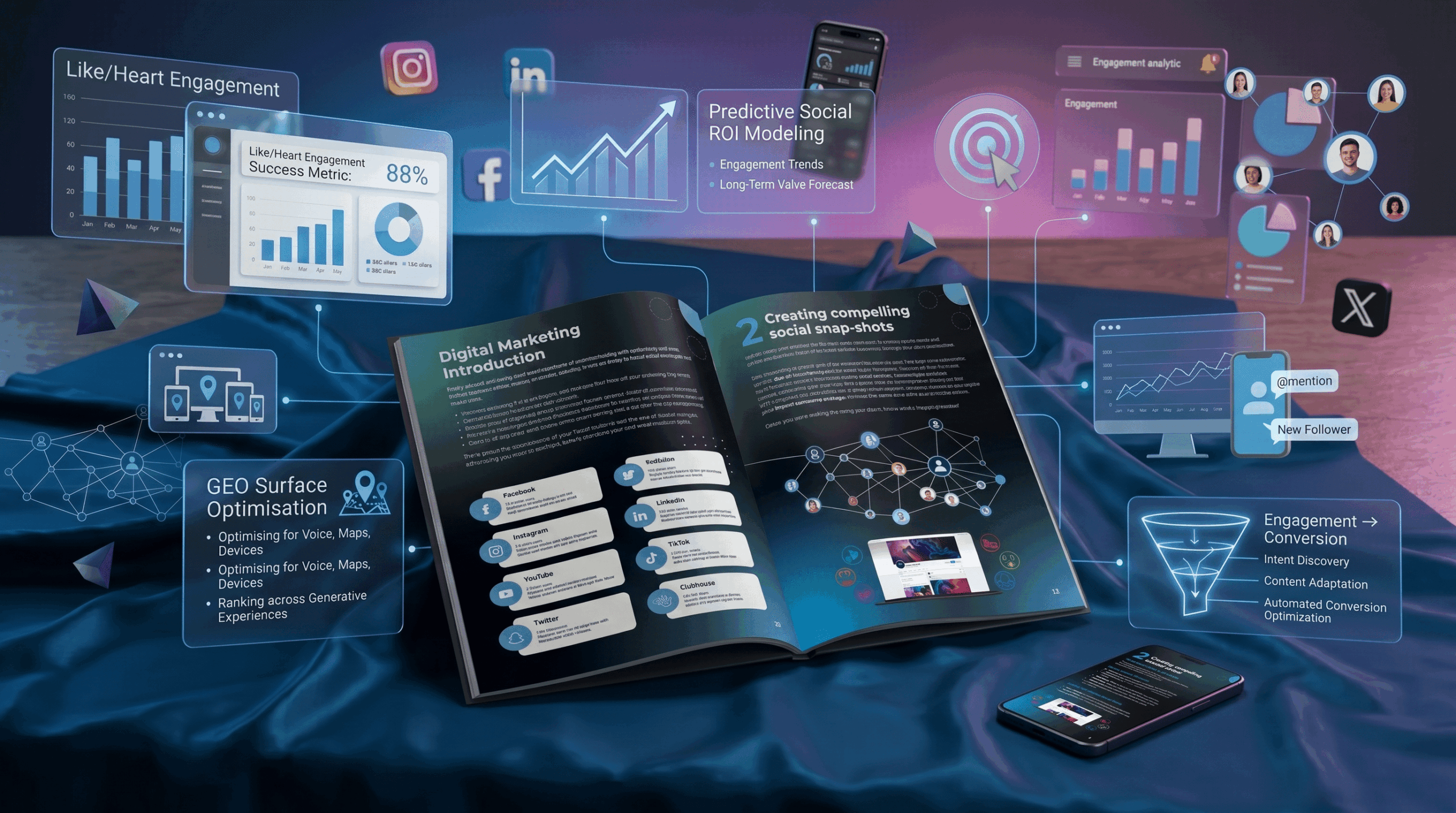
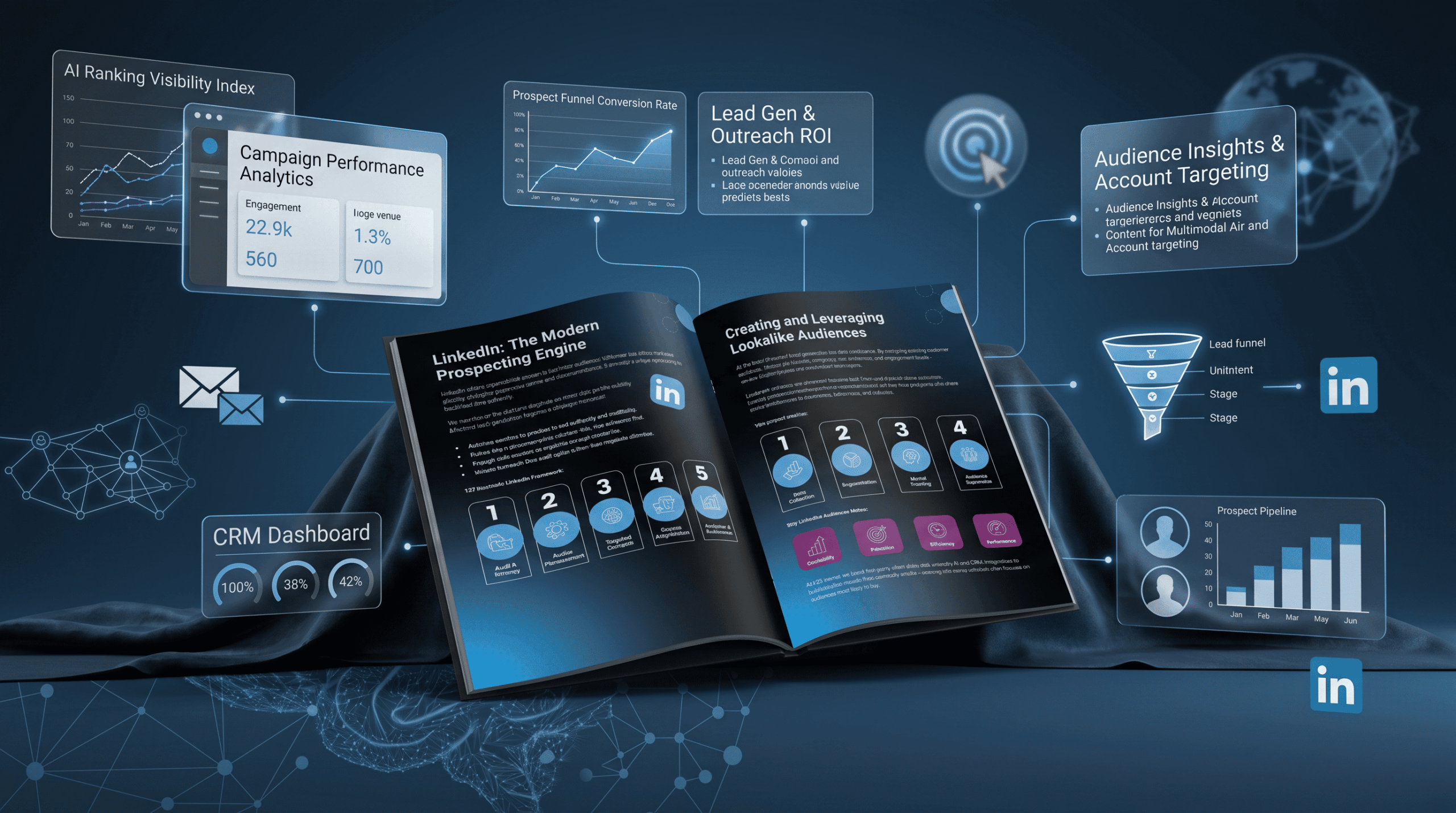
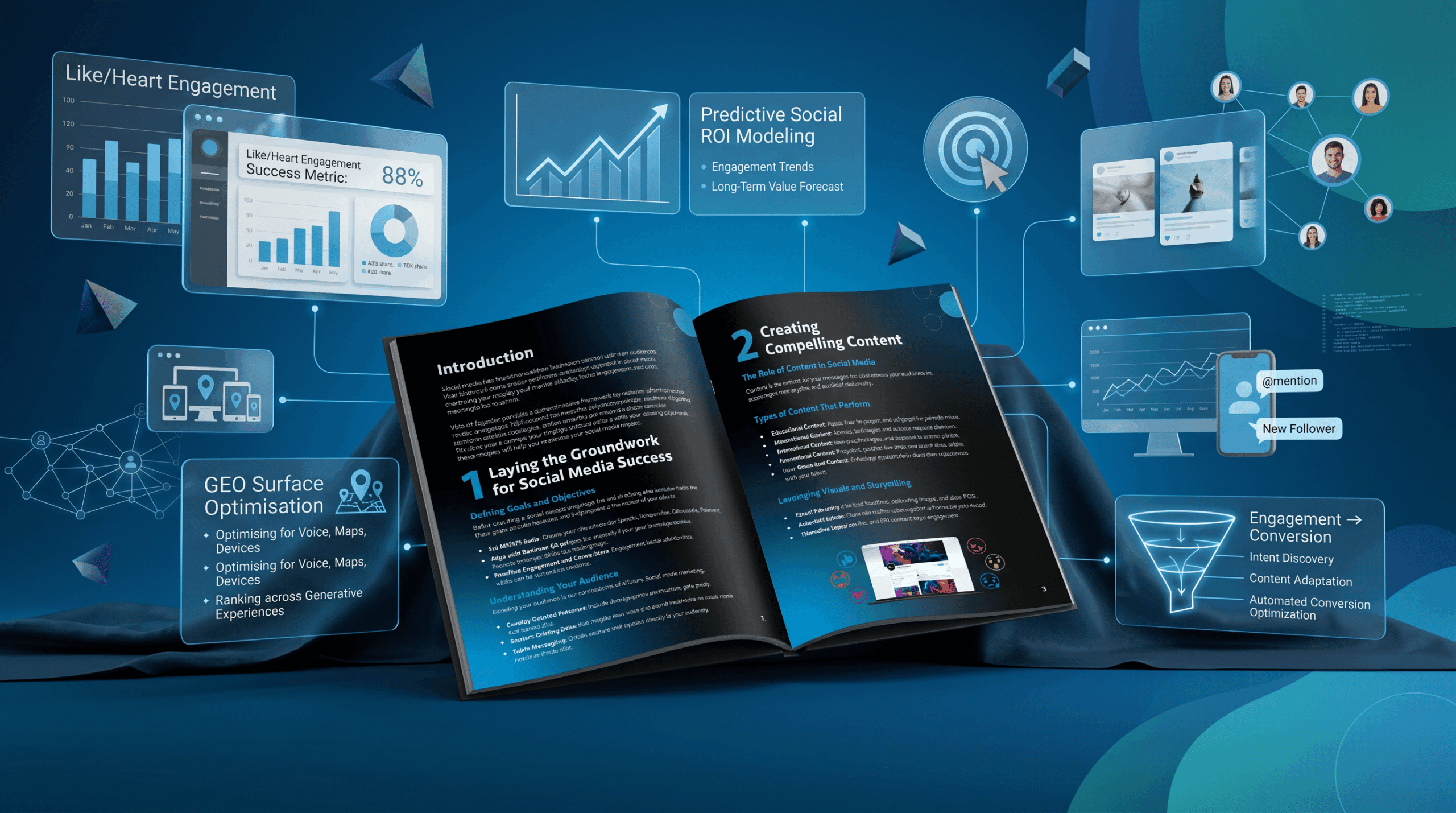
Successful organisations understand that social media is not simply another place to promote products and services. Instead, it is an opportunity to educate, inform and demonstrate expertise on a consistent basis. Sharing industry insights, practical advice, behind-the-scenes content, customer success stories and thought leadership helps reinforce credibility every time a prospect encounters the brand.
Over time, this repeated exposure creates familiarity, and familiarity builds trust. By the time a potential customer decides they are ready to make contact, they often feel they already understand the business and the people behind it. That sense of confidence significantly reduces the perceived risk of making an enquiry.
Email marketing strengthens relationships after the first interaction
While search and social media help businesses become visible, email marketing provides an opportunity to build deeper relationships over time. Once someone has subscribed to a newsletter, downloaded a guide or attended a webinar, email allows organisations to continue delivering value without relying on search rankings or social media algorithms.
The most effective email campaigns focus on education rather than constant promotion. By regularly sharing useful advice, industry developments and practical resources, businesses remain relevant while demonstrating ongoing expertise. Every helpful email reinforces the relationship that began during the customer’s initial research.
Over time, this consistent communication keeps the organisation front of mind until the prospect reaches the point where they are ready to buy. Email therefore becomes one of the most valuable nurturing tools within the entire customer journey.
Your website is where every marketing activity comes together
Although customers discover businesses through many different channels, almost every journey eventually leads back to the company website. For this reason, the website should be viewed as the central hub of the entire marketing strategy rather than simply another digital asset.
Modern websites have a very different role from those of a decade ago. Visitors often arrive having already consumed articles, watched videos, read reviews or interacted with the business on social media. The website’s purpose is therefore less about introducing the organisation and more about validating everything the visitor already believes. It should reinforce expertise, answer remaining questions, remove uncertainty and provide a straightforward path towards making contact.
Every element of the website should support this objective, from clear navigation and compelling service pages through to testimonials, case studies and strong calls to action. When the experience aligns with the expectations created by every previous interaction, visitors are far more likely to become enquiries.
Integrated marketing creates a better customer experience
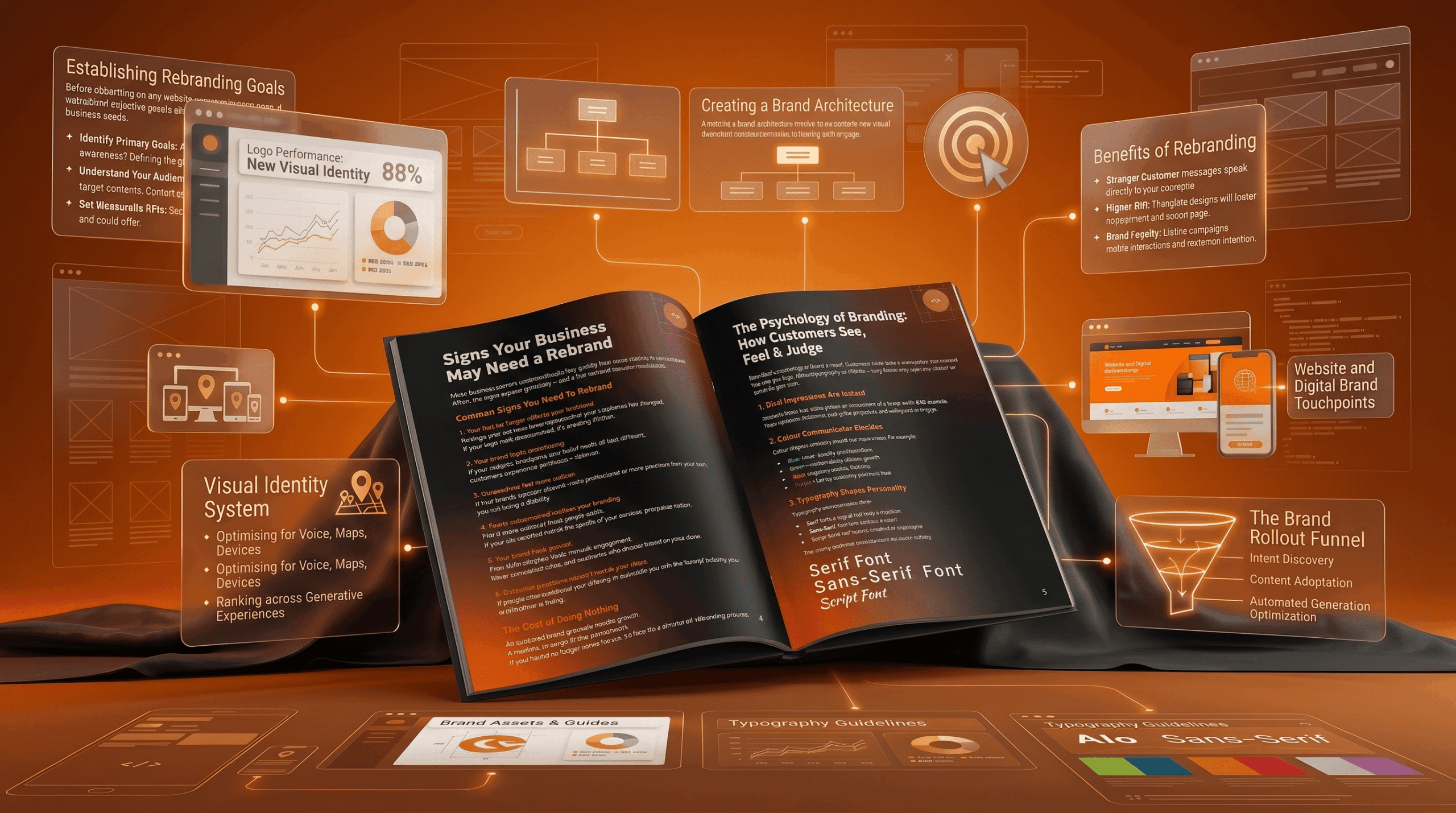
One of the greatest advantages of connecting every marketing activity is consistency. Customers notice when every interaction feels joined together, even if they are not consciously aware of it. Consistent messaging, visual identity, tone of voice and educational content create reassurance because each touchpoint reinforces the same promises and values.
This consistency also improves overall marketing efficiency. Content created for SEO can be adapted into LinkedIn posts, newsletters and videos. Paid advertising can direct visitors towards resources already performing well organically. Social media can amplify thought leadership that strengthens search visibility. Rather than creating isolated campaigns, businesses develop a connected ecosystem where every marketing investment supports every other activity.
The result is a far smoother customer experience and significantly stronger commercial performance.
AI is making joined-up marketing even more important
The growth of AI-powered search is reinforcing the importance of integrated marketing strategies. AI systems increasingly evaluate businesses holistically, considering website quality, educational content, brand mentions, topical authority, customer reviews and overall digital consistency before recommending organisations within AI-generated answers.
This means businesses can no longer optimise individual channels in isolation. Every article, social media post, landing page, email campaign and website update contributes towards the organisation’s overall authority. Marketing activities that once appeared separate are becoming increasingly interconnected.
Businesses that embrace this joined-up approach are likely to enjoy greater visibility across both traditional search engines and emerging AI platforms while simultaneously creating stronger customer experiences.
Final thoughts
Customers do not care whether they discovered your business through Google, LinkedIn, a paid advert or an email newsletter. They simply remember the overall experience your organisation created. Every interaction either builds confidence or introduces doubt, and those cumulative impressions ultimately determine whether someone chooses to become a customer.
The most successful businesses recognise that every marketing channel has a specific role to play within the customer journey. SEO creates discovery, paid advertising accelerates visibility, social media nurtures familiarity, email strengthens relationships and the website converts trust into meaningful action. When these activities work together instead of operating independently, marketing becomes significantly more effective.
The future of digital marketing does not belong to organisations that excel in just one channel. It belongs to those that understand how every channel can support the next, creating a seamless customer journey that turns initial curiosity into lasting commercial relationships.