News
AEO/SEO or PPC: Which Digital Marketing Strategy Will Generate the Best ROI?
How to decide between organic search, AI visibility and paid advertising and why the highest-return strategy may involve using them together
Businesses investing in digital marketing eventually face a familiar question: where should the budget go?
Should you invest in Search Engine Optimisation to improve your organic Google visibility? Should you focus on Answer Engine Optimisation so your expertise can be surfaced when customers ask questions through search and AI-powered experiences? Or should you put the budget into Pay-Per-Click advertising and immediately place the business in front of people actively searching for its products or services?
The natural objective is to choose whichever option generates the best return on investment.
Unfortunately, there is no universal answer.
A business needing enquiries next week faces a very different decision from an established organisation planning its marketing strategy over the next three years. A company selling a high-margin £50,000 service can tolerate a very different customer acquisition cost from an online retailer making £20 per order. A business entering a completely new market may need immediate visibility, while an established organisation with significant website authority may already have an excellent foundation for organic growth.
SEO, AEO and PPC can all generate substantial returns when used in the right circumstances. They can also waste significant amounts of money when they are pursued without understanding the wider commercial model.
The more useful question is therefore not simply,
It is:
First, understand what SEO, AEO and PPC actually do
Although these disciplines can overlap, they perform different roles.
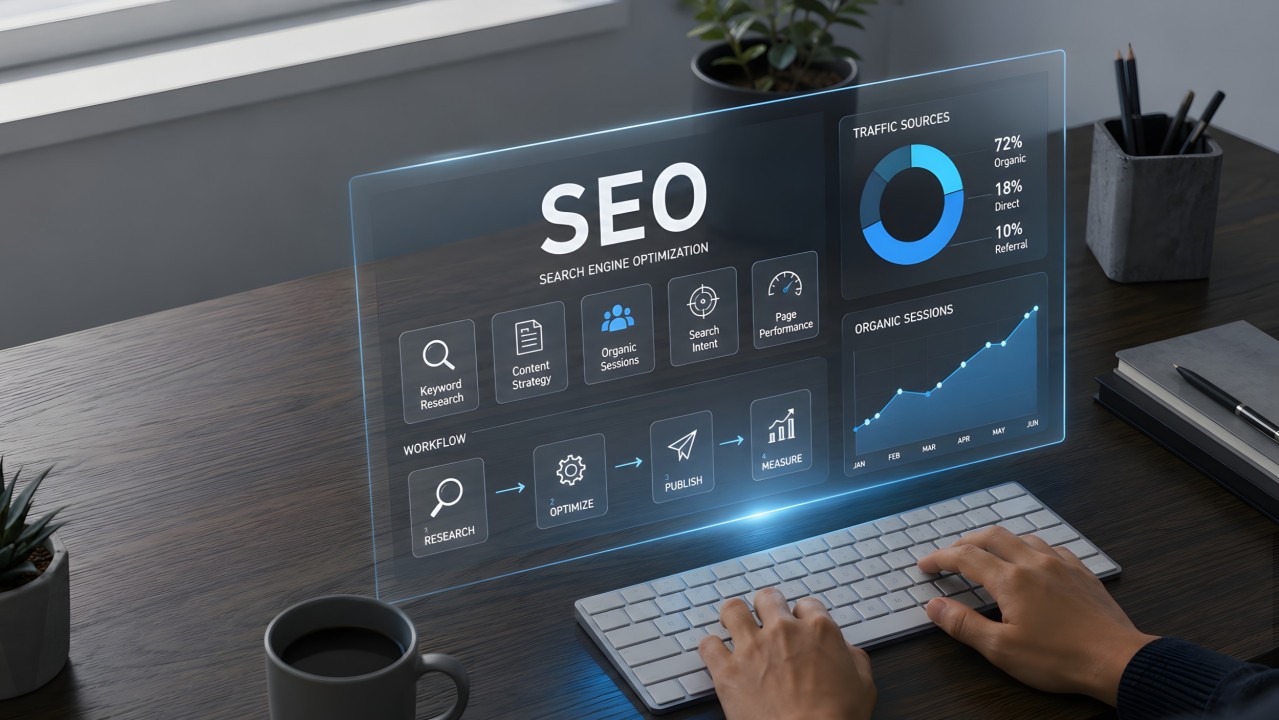
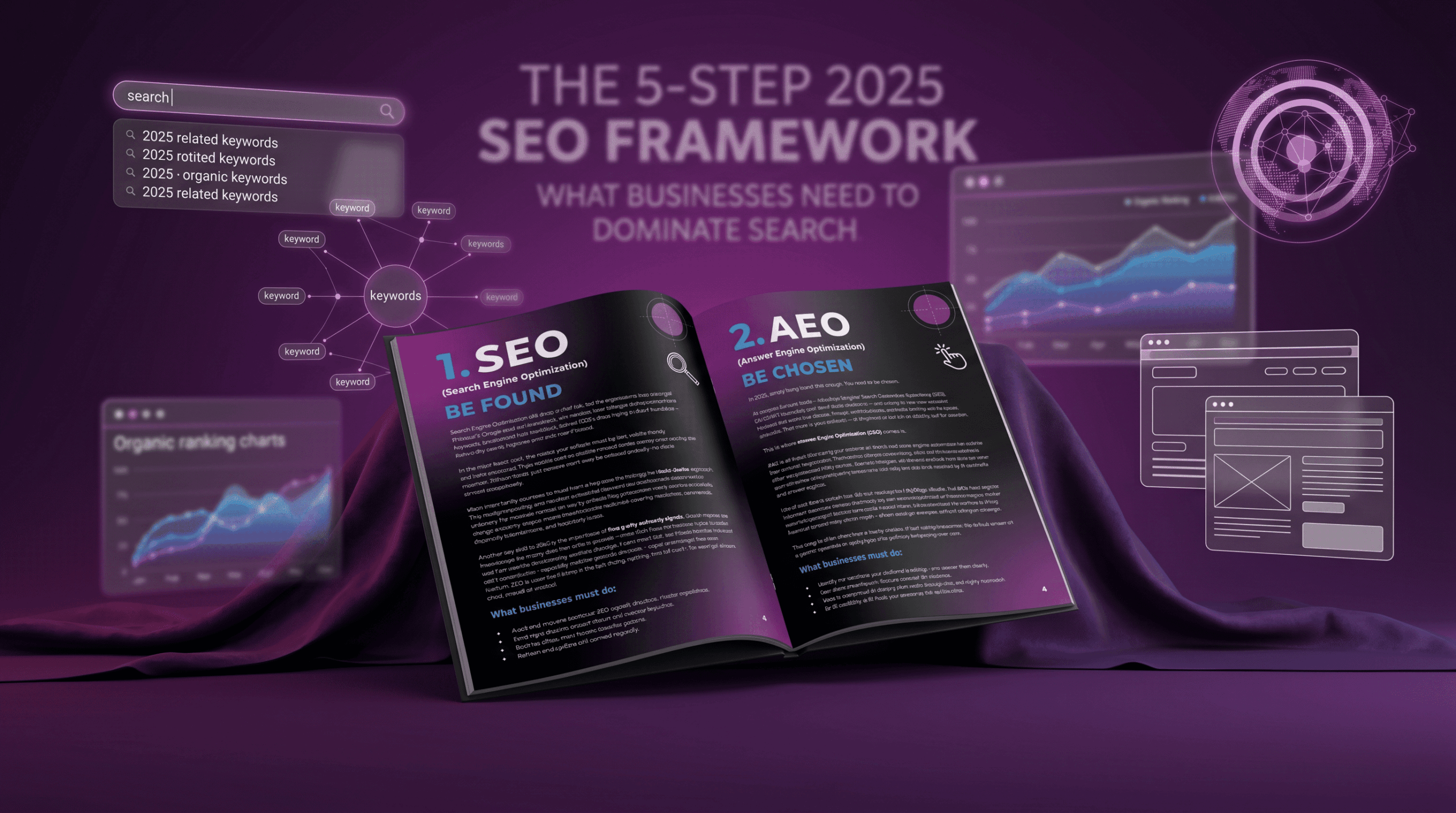
Search Engine Optimisation focuses on improving a website’s ability to be discovered through organic search results. This involves technical SEO, content, site architecture, authority, user experience, internal linking and many other factors.
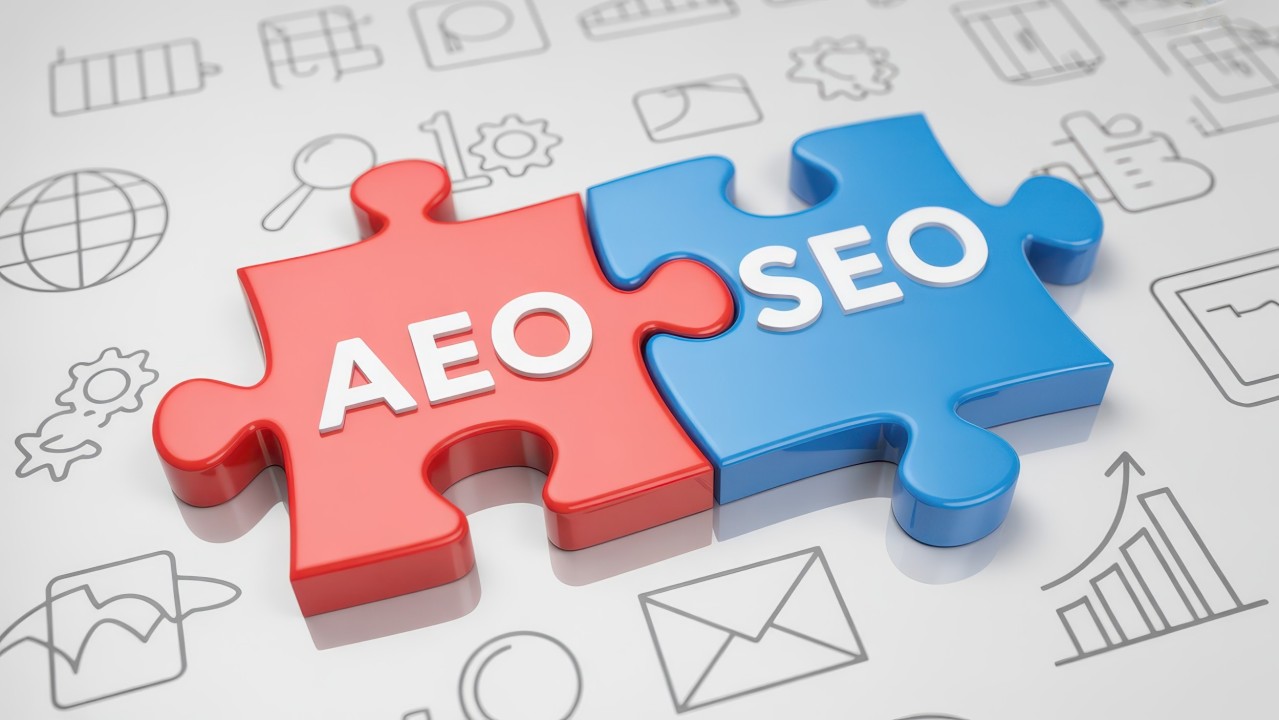
Answer Engine Optimisation focuses more specifically on making information clear, authoritative and useful enough to surface when people ask questions. This can include traditional search features, voice interfaces and increasingly conversational and AI-assisted search experiences.
Generative Engine Optimisation, or GEO, is closely connected and considers how brands, expertise and information can become visible within generative AI experiences.
PPC takes a different approach.
Rather than earning visibility organically over time, businesses pay advertising platforms for traffic, clicks, impressions or other actions. Search advertising can place a company in front of people actively looking for a relevant product or service almost immediately.
One strategy primarily builds organic digital visibility and authority. The other purchases access to an audience.
Both can be commercially valuable.
The biggest difference is time
Timescale is one of the most important factors when comparing organic search with PPC.
A well-structured PPC campaign can begin generating traffic shortly after launch. Once campaigns are approved and running, advertisements can appear when relevant customers search.
This makes PPC particularly attractive when businesses need immediate visibility.
A new company may have little existing organic authority. A business launching a new service might not yet rank for relevant searches, while an organisation entering a new geographic market may need enquiries before an SEO programme has had time to mature.
PPC can bridge that gap.
SEO and AEO usually work differently.
Building strong organic visibility can take months, particularly in competitive markets. Technical improvements may need implementing, content needs developing and authority needs strengthening.
That slower beginning can sometimes make SEO appear less attractive when businesses evaluate only short-term results.
The important difference is what happens later.
PPC generally requires continued expenditure to maintain advertising visibility. Organic content and authority can continue generating value long after the original investment was made.
This creates two very different ROI curves.
PPC can buy visibility immediately
One of PPC’s greatest advantages is control.
A business can decide which searches it wants to target, which locations matter, when advertisements should appear and how much it is prepared to spend.
Campaigns can also be adjusted quickly.
If a particular service is generating strong commercial results, budget can be increased. If another campaign performs poorly, spending can be reduced or paused.
This flexibility is extremely useful for businesses operating in dynamic markets.
PPC can also support seasonal demand, product launches, events, promotions and periods where businesses need to generate additional pipeline quickly.
Organic search rarely offers the same immediate control.
A company cannot simply decide on Monday that it wants the number-one organic position for a highly competitive search by Friday.
Paid advertising can provide access to visibility while the longer-term organic strategy develops.
But every PPC click has a cost
The strength of PPC is also one of its limitations.
Visibility is directly connected to expenditure.
If a business spends £5,000 per month generating profitable leads through paid search, that can be an excellent investment. But if the advertising budget disappears, much of that paid visibility can disappear with it.
Costs can also increase as markets become more competitive.
Multiple companies may bid for the same commercially valuable searches, increasing the cost required to attract traffic.
This means PPC performance needs to be evaluated using business economics rather than simply click-through rates.
A £20 click might initially sound expensive.
If one in every twenty visitors becomes a qualified opportunity and those opportunities regularly generate customers worth tens of thousands of pounds, the economics may be excellent.
Conversely, a £2 click can be extremely expensive if the resulting visitors rarely convert or the average sale produces very little profit.
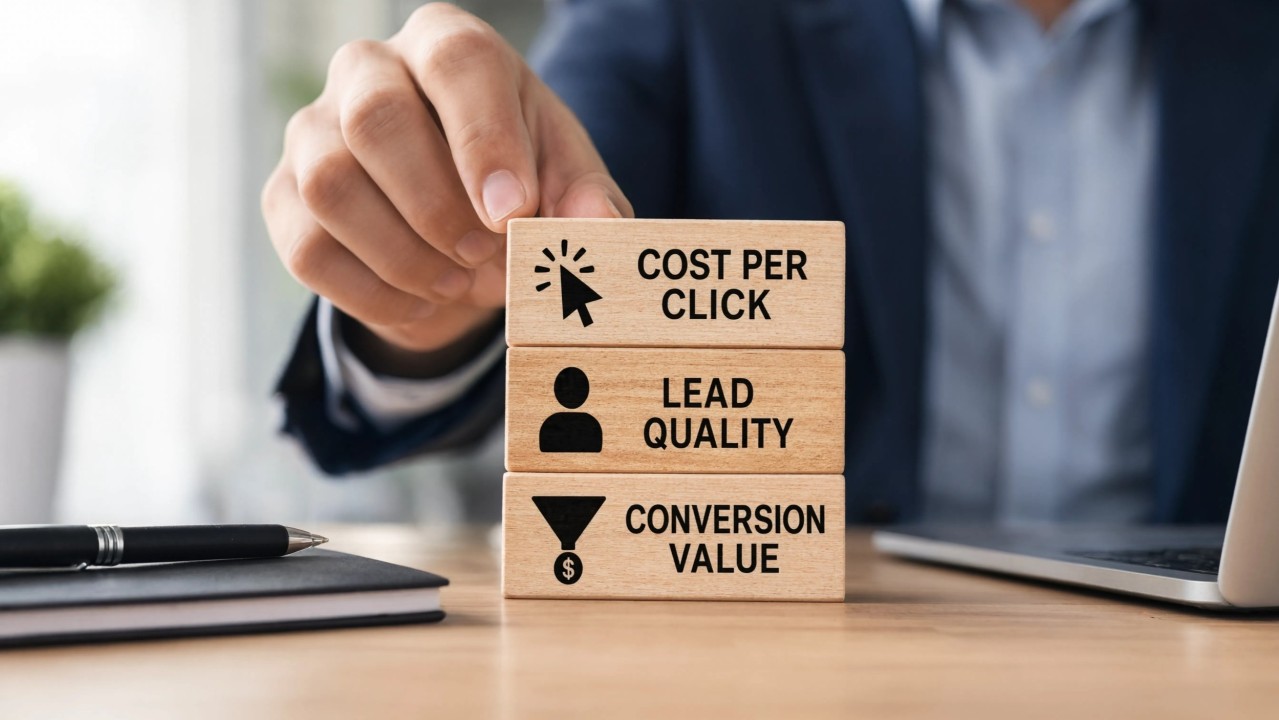
Cost per click means almost nothing without understanding what happens after the click.
SEO creates an asset rather than simply purchasing traffic
One of the strongest arguments for SEO is that much of the investment creates digital assets.
A detailed guide can continue attracting customers long after publication. A well-optimised service page can generate enquiries for years. Case studies, internal linking and technical improvements can strengthen the overall website rather than serving only one campaign.
Authority can compound.
As a website develops stronger content and earns legitimate references, future content may become easier to discover.
This means successful SEO can become increasingly efficient over time.
A business might initially invest significantly before seeing substantial organic returns, but once strong visibility has been established, the effective cost of each additional visitor or enquiry can decrease.
This is one reason businesses should be cautious about evaluating SEO using the same short reporting period they might use for PPC.
SEO is closer to building an asset.
PPC is closer to renting attention.
Neither model is automatically superior.
The correct choice depends upon what the business needs.
AEO adds another dimension to organic ROI
Traditional SEO has historically focused heavily on generating clicks from search results.
AEO complicates that model because customers can increasingly receive answers without immediately visiting a website.
Someone might ask a question through an AI-powered search experience and receive a summary containing the information they need. They may then continue researching particular organisations or remember a brand they encountered during the process.
This means visibility can have value before the click.
Businesses need to consider whether their content is becoming part of the wider customer research journey rather than measuring organic marketing entirely through sessions.
AEO-friendly content can answer customer questions, establish expertise and support sales conversations even when the path towards conversion becomes more complicated.
This makes brand recognition increasingly important.
If AI and answer engines reduce the number of clicks available for certain informational searches, businesses need to become organisations customers recognise and actively seek out later.
ROI needs to be measured commercially
Digital marketing reporting can easily become dominated by channel metrics.
SEO reports contain rankings, impressions and organic traffic. PPC reports contain clicks, impressions, cost per click and conversion rates.
These numbers are useful, but none of them necessarily represents business growth.
The most important metrics sit closer to commercial outcomes.
How many qualified enquiries were generated? How many became genuine sales opportunities? How many customers were acquired? What was the gross profit associated with those customers? How long do customers remain? Do they purchase repeatedly?
A channel generating 100 enquiries is not automatically performing better than one generating 20.
If the first produces mostly poor-quality leads while the second generates high-value opportunities, the smaller volume can deliver considerably greater ROI.
Marketing should therefore be measured through the sales pipeline wherever possible.
Cost per lead is not the same as return on investment
Businesses often compare SEO and PPC using cost per lead.
This is useful, but incomplete.
Imagine SEO generates enquiries at £80 each while PPC generates them at £120.
At first glance, SEO appears to be the winner.
But what if PPC leads convert into customers at twice the rate because those customers have stronger purchase intent?
Or what if organic leads generate larger contracts because customers have spent longer engaging with educational content and arrive with greater confidence in the business?
The economics can quickly change.
Businesses need to understand the complete journey from marketing investment through to revenue and preferably gross profit.
This becomes particularly important in B2B markets where one customer can be worth tens or hundreds of thousands of pounds.
Customer lifetime value can completely change the calculation
Many businesses evaluate campaigns using only the value of the first transaction.
This can significantly underestimate ROI.
Suppose acquiring a new customer through PPC costs £500. If the first purchase generates only £600 of gross profit, the campaign may appear marginal.
But if the average customer remains for four years and generates £15,000 of total gross profit, a £500 acquisition cost looks very different.
The same applies to SEO.
An article might generate only a handful of enquiries each year, but if one becomes a valuable long-term customer, that piece of content could produce an exceptional return.
Businesses therefore need to understand customer lifetime value when deciding how aggressively they can invest in acquisition.
Without that information, marketing budgets are often based on instinct rather than economics.
PPC is particularly powerful for high-intent searches
Not all searches are equal.
Someone searching “what is CRM software?” is probably at a different stage from someone searching “CRM implementation company UK”.
The second query suggests much stronger commercial intent.
Paid search can be particularly effective around these high-intent moments because businesses can place themselves directly in front of customers actively looking for a solution.
This makes PPC extremely useful for services where customers search with obvious purchase intent.
The challenge is competition.
Competitors recognise the value of these searches too, which can make them expensive.
Successful campaigns therefore need strong targeting, persuasive advertising, appropriate landing pages and effective conversion tracking.
Simply bidding on valuable keywords is not enough.
SEO can influence customers much earlier in the journey
SEO’s strength often extends beyond immediate purchase searches.
Content can attract customers while they are still identifying problems, comparing approaches or learning about potential solutions.
A potential customer may first discover a business through an educational article months before they are ready to purchase.
They might later encounter the organisation through LinkedIn, return to another article, read a case study and eventually search for the company by name.
Organic content has contributed throughout the journey even though analytics may attribute the final conversion elsewhere.
This makes SEO particularly powerful for complex purchasing decisions where customers conduct significant research before contacting suppliers.
The business becomes useful before it tries to become commercial.
That can create trust.
AEO and GEO can influence the shortlist before a website visit
AI-powered research introduces another important possibility.
A customer may ask an AI assistant to explain the options available, compare different approaches or suggest the types of suppliers they should consider.
If a business, its expertise or its content becomes relevant within that research process, it can influence consideration before the customer visits the website.
This changes the traditional concept of search marketing.
Visibility is no longer only about winning the click.
It is increasingly about being understood as a credible organisation within a particular subject area.
This is why content depth, case studies, expert visibility, digital PR, brand mentions and consistent information across the web are becoming increasingly important.
AEO and GEO sit within a wider authority-building strategy.
PPC provides valuable data quickly
Another major advantage of PPC is the speed at which businesses can learn.
Organic strategies can take months to reveal whether particular subjects generate commercially valuable demand.
PPC can provide useful information considerably faster.
Businesses can test search terms, propositions, calls to action and landing pages while measuring how customers respond.
This information can then influence the wider marketing strategy.
If a particular group of searches consistently generates valuable customers through PPC, those subjects may deserve greater SEO investment.
Likewise, if paid traffic demonstrates that customers respond strongly to a particular proposition, the website and organic content can be adjusted accordingly.
PPC and SEO therefore should not always be viewed as competitors for budget.
Paid campaigns can provide intelligence that improves organic strategy.
SEO can make PPC more effective
The relationship also works in the opposite direction.
A strong website developed through SEO and content marketing can improve the experience of paid visitors.
Detailed service pages, case studies, expert content, fast page performance and clear navigation all help customers evaluate the organisation after clicking an advertisement.
Without those foundations, PPC can become expensive.
A business may successfully pay to attract the right customer and then lose them because the landing experience fails to create confidence.
Advertising cannot compensate indefinitely for a weak website.
In this sense, SEO investment often strengthens the infrastructure supporting PPC.
Your landing pages can determine PPC ROI
Businesses sometimes blame PPC when the real problem occurs after the click.
A customer searches for a specific service, clicks a highly relevant advertisement and lands on a generic homepage.
They now need to search for the information promised in the advertisement.
That friction can reduce conversion.
Strong PPC campaigns need landing experiences that continue the conversation started by the search and advertisement.
If the advertisement discusses a particular service, the landing page should explain that service clearly. If it promises a consultation, the next step should be obvious.
Trust signals, case studies, testimonials and useful information can all support the conversion.
PPC generates the opportunity.
The website still needs to convert it.
Poor conversion rates make every acquisition channel expensive
This principle applies equally to SEO.
Businesses frequently ask whether they should spend more on SEO or PPC when the more urgent problem is that their website converts very few visitors.
Imagine doubling website traffic while leaving conversion performance unchanged.
Marketing costs increase, but much of the additional opportunity is still wasted.
Sometimes the best ROI improvement does not come from choosing another acquisition channel.
It comes from improving the website.
Clearer messaging, stronger calls to action, better user experience, improved case studies, professional photography and video, faster performance and stronger service information can increase the value generated from traffic the business already receives.
Conversion optimisation should therefore form part of any serious SEO or PPC comparison.
Brand strength influences both organic and paid performance
Customers do not make decisions in isolation from brand perception.
Imagine two advertisements appearing for the same search. One belongs to a company the customer has encountered repeatedly through articles, LinkedIn posts, industry events and recommendations. The other is completely unfamiliar.
The recognised organisation may have an advantage before the customer has read either advertisement.
The same applies to organic search.
Customers may choose a familiar brand even when it is not positioned first.
This is why brand building and performance marketing should not be treated as separate worlds.
Strong brands can make acquisition channels more efficient because customers arrive with greater familiarity and trust.
SEO, AEO, social media, PR and thought leadership can all contribute towards that familiarity.
Competitive markets require different strategies
The relative ROI of SEO and PPC can vary dramatically between industries.
Some search markets contain extremely expensive advertising competition. Others have relatively low costs.
Organic competition varies too.
A new business attempting to rank nationally for a highly competitive financial or legal search may face years of established competitors with substantial authority.
That does not mean SEO should be abandoned.
It means the strategy needs greater sophistication.
The business might focus initially on more specific customer problems, geographic markets, industry niches or specialist services where it has a realistic opportunity to demonstrate authority.
Likewise, PPC does not have to target the most expensive broad keywords.
More precise campaigns can sometimes generate stronger commercial results.
The correct strategy is rarely simply “target the biggest keyword”.
New businesses often need PPC and SEO together
Start-ups and newly established businesses face a particular challenge.
They need customers now but also need to build long-term digital visibility.
Relying exclusively on SEO can create a difficult period where the company invests in content and optimisation without generating enough immediate demand.
Relying entirely on PPC creates the opposite problem.
The business may generate enquiries but remain dependent upon paid acquisition indefinitely.
A combined strategy can solve both problems.
PPC generates immediate visibility while SEO builds the website, content and authority required for longer-term organic growth.
As organic performance strengthens, the company can decide whether to reduce certain paid campaigns or continue using PPC to expand into additional markets.
Established businesses may have a significant SEO advantage
An organisation with a long-established website, strong reputation and substantial content may already possess considerable organic potential.
In this situation, additional SEO investment can sometimes generate excellent returns because the foundations already exist.
Improving outdated service pages, consolidating weak content, strengthening internal linking and publishing more authoritative resources can unlock visibility without starting from zero.
Established brands may also have extensive offline expertise that has never been represented properly online.
Turning that expertise into digital content can strengthen both traditional search and AI visibility.
Businesses should therefore audit what they already have before deciding where additional budget should go.
PPC is useful when launching something new
Even organisations with excellent SEO cannot instantly create organic visibility for every new product or service.
PPC can be extremely useful during launches.
Campaigns can generate traffic while organic pages begin establishing themselves.
The business can also learn which messaging attracts attention and which customer groups convert.
Those insights can then improve SEO content, social campaigns and wider marketing.
This makes PPC particularly valuable as a testing and acceleration tool rather than simply a permanent source of traffic.
Organic search can reduce dependence on advertising
Businesses that rely almost entirely on paid acquisition can become vulnerable.
If advertising costs increase significantly, profitability can deteriorate. Changes to platform rules, competitors or market demand can also affect performance.
Organic visibility creates another source of customer acquisition.
This diversification can make the wider marketing strategy more resilient.
The same principle applies in reverse.
A business relying entirely on Google organic rankings can be exposed to search changes.
Maintaining multiple acquisition channels reduces dependence upon any single platform.
The strongest digital strategies create a portfolio of visibility rather than placing everything into one channel.
Don’t assume organic traffic is free
SEO is sometimes described as free traffic.
It is not.
Creating strong organic visibility requires investment.
Businesses need expertise, content, technical development, research, design, digital PR and ongoing optimisation.
Internal employees also have a cost.
The distinction is that SEO expenditure does not usually operate as a direct payment for every visitor.
Investment creates assets that can continue generating traffic and enquiries.
This can produce exceptional long-term economics, but businesses should still calculate the real cost of achieving that visibility.
Comparing £10,000 of PPC spend with “free” SEO is not a meaningful comparison if the business spent £50,000 creating and optimising the organic assets.
Don’t assume PPC is expensive simply because you pay for every click
The opposite misconception also exists.
Businesses sometimes dislike PPC because they can see exactly what every click costs.
Organic marketing expenses can feel less visible because they are spread across staff, agencies, development and content.
Transparency should not be confused with poor ROI.
If PPC allows a business to spend £1 and reliably generate £5 of profitable value, paying for traffic is not inherently a problem.
Most companies would happily scale an acquisition channel where the economics remain predictable and profitable.
The real question is whether the complete customer acquisition model works.
Attribution can make SEO and PPC appear more separate than they really are
Modern customer journeys rarely belong entirely to one channel.
A customer might discover a company through an organic article, follow its LinkedIn page, later click a paid advertisement and finally return directly to the website to enquire.
Which channel generated the lead?
The answer is all of them.
Attribution systems often assign conversion value according to particular models, but these models simplify complicated human behaviour.
Businesses should therefore avoid allowing attribution reports to create artificial competition between channels.
The better question is how different marketing activities contribute towards the overall customer journey.
SEO may create discovery.
Content may build trust.
PPC may capture demand at the moment of purchase.
Together they generate the customer.
How should a business decide where to invest first?
The answer should begin with commercial objectives.
If the organisation urgently needs enquiries and there is strong search demand for its services, PPC may deserve immediate attention.
If the business has a weak website and little useful content, investing solely in advertising may simply pay to expose those weaknesses to more people.
If the organisation already has strong authority but underdeveloped organic content, SEO could offer significant long-term potential.
If customers conduct extensive research before purchasing, AEO, GEO and educational content become increasingly valuable.
Businesses should also consider cash flow, margins, customer lifetime value, sales capacity and growth targets.
Marketing strategy should follow business strategy.
The strongest approach often combines SEO, AEO and PPC
For many organisations, asking whether SEO or PPC is better creates an unnecessary choice.
The channels can perform different jobs.
PPC can capture immediate high-intent demand.
SEO can build sustainable organic visibility.
AEO can make expertise easier to surface when customers ask questions.
GEO can strengthen the organisation’s ability to become understood within AI-powered research.
Content supports all of them.
A strong service page can rank organically and serve as a paid landing page. Customer questions discovered through PPC data can become SEO articles. High-performing organic content can reveal topics worth promoting through advertising.
Rather than competing, the channels can reinforce one another.
Think in terms of short-term, medium-term and long-term ROI
One useful way to allocate budget is to consider different time horizons.
Short-term marketing may prioritise PPC, retargeting and conversion optimisation to generate opportunities quickly.
Medium-term investment can develop stronger landing pages, service content, case studies and broader search visibility.
Long-term investment builds topical authority, brand recognition, thought leadership and AI visibility.
Businesses do not necessarily need to choose one horizon.
A balanced marketing strategy can invest across all three simultaneously.
This prevents the organisation from sacrificing future growth to hit today’s targets or sacrificing today’s pipeline entirely in pursuit of long-term visibility.
When PPC is likely to be particularly valuable
PPC tends to become attractive when there is clear existing search demand, customers demonstrate strong commercial intent and the business needs measurable results relatively quickly.
It can also be valuable when launching new products, entering markets, testing propositions or supporting seasonal campaigns.
Businesses with strong conversion rates and high customer lifetime values may be able to scale PPC particularly effectively.
The key requirement is disciplined measurement.
Campaigns need to be connected with qualified opportunities and revenue rather than optimised purely around clicks.
When SEO and AEO are likely to be particularly valuable
Organic investment becomes especially powerful when customers conduct substantial research before purchasing and when expertise plays an important role in supplier selection.
Businesses operating within complex B2B markets, professional services, technology, manufacturing and other knowledge-intensive sectors can often benefit considerably from creating authoritative content.
SEO and AEO also become attractive when organisations want to reduce long-term dependence upon paid acquisition.
The strongest results usually require patience.
Authority compounds over time.
What generates the best ROI?
The answer is ultimately specific to the business.
PPC may generate the strongest return this quarter.
SEO may generate the strongest return over three years.
AEO and GEO may become increasingly important for influencing future customer research.
Conversion optimisation might outperform all three if the website is currently losing most of the opportunities it already receives.
Businesses should therefore resist marketing arguments that present one channel as universally superior.
A company selling emergency services may depend heavily upon immediate high-intent search. A specialist consultancy may generate exceptional value from thought leadership and organic authority. An e-commerce company might find paid product campaigns essential while using SEO to reduce its blended acquisition cost over time.
Context determines ROI.
Don’t Choose a Channel – Build an Acquisition Strategy
The debate between SEO, AEO and PPC often begins with the wrong question.
Businesses ask which marketing channel is best when they should be asking how customers discover, research, evaluate and ultimately choose suppliers.
Different channels can influence different stages of that journey.
PPC provides speed, targeting and control. It can place businesses in front of high-intent customers almost immediately and provide valuable data about demand.
SEO builds discoverability and digital assets that can generate value for years. AEO and GEO extend that opportunity into conversational and AI-powered research, helping businesses become more understandable and authoritative as search behaviour evolves.
Neither approach automatically produces a better return.
The strongest strategy is the one that matches the economics and objectives of the business.
That requires understanding customer acquisition cost, lead quality, conversion rates, gross profit, customer lifetime value and the time required to generate results.
It also requires recognising that marketing channels rarely operate independently.
A customer may discover you organically, encounter you through AI search, see your LinkedIn content, click a paid advertisement and finally convert through your website.
The business that wins is not necessarily the one that chose SEO instead of PPC.
It is the one that built the strongest journey between discovery, trust and conversion.
So instead of asking:
Ask:
“What combination of paid visibility, organic authority and conversion optimisation will generate the greatest commercial return for our business?”
And answering it turns digital marketing from a collection of competing channels into what it should have been all along: a coordinated strategy for sustainable business growth.
Scott Jones is the CEO of a full service, leading and award winning SEO & Digital Marketing Agency. 123 Internet® – Digital Marketing Growth Agency support a local, national and international client base with AI-led digital marketing strategy, web design and e-commerce, creative branding, design and print, social media, lead generation, SEO/PPC, AI Search Optimisation and videography focused on ROI.
For more information about our services or advice on how to improve your online marketing activities please reach out and connect with us via our website or our social media channels.