News
Marketing Without Silos: Integrating SEO, Paid Media and Social for Better Results
Why connected strategies outperform isolated campaigns — and how to align channels for stronger performance and ROI
Modern marketing offers more channels than ever before.
Businesses can attract audiences through search engines, paid advertising, social media, email campaigns, and more. Each channel provides its own opportunities, metrics, and optimisation strategies.
Yet, despite this abundance of tools, many organisations struggle to achieve consistent results.
The reason is often simple: their marketing operates in silos.
SEO teams focus on rankings. Paid media teams optimise for clicks. Social media teams aim for engagement. While each function may perform well individually, the overall strategy lacks cohesion.
In 2026, the most successful businesses are not those using the most channels — they are the ones that integrate them effectively.
Because when SEO, paid media, and social work together, the result is not just more traffic — it is better outcomes.
The Problem with Siloed Marketing
Siloed marketing occurs when channels operate independently without shared goals, messaging, or data.
This can lead to:
- inconsistent messaging across platforms
- duplicated effort and wasted budget
- fragmented customer journeys
- missed opportunities for optimisation
For example, a paid campaign may drive traffic to a landing page that does not align with the messaging used in organic search or social content. Similarly, social media may generate interest that is not supported by deeper content or conversion pathways.
Each channel may be effective in isolation, but together they fail to deliver their full potential.
Thinking in Journeys, Not Channels
Customers do not experience marketing in silos.
They move between touchpoints — discovering a brand through search, engaging with content on social media, and responding to paid campaigns at different stages of their journey.
This means marketing strategies must be designed around customer journeys, not individual channels.
An integrated approach ensures that:
- messaging is consistent
- transitions between touchpoints feel natural
- each interaction builds on the previous one
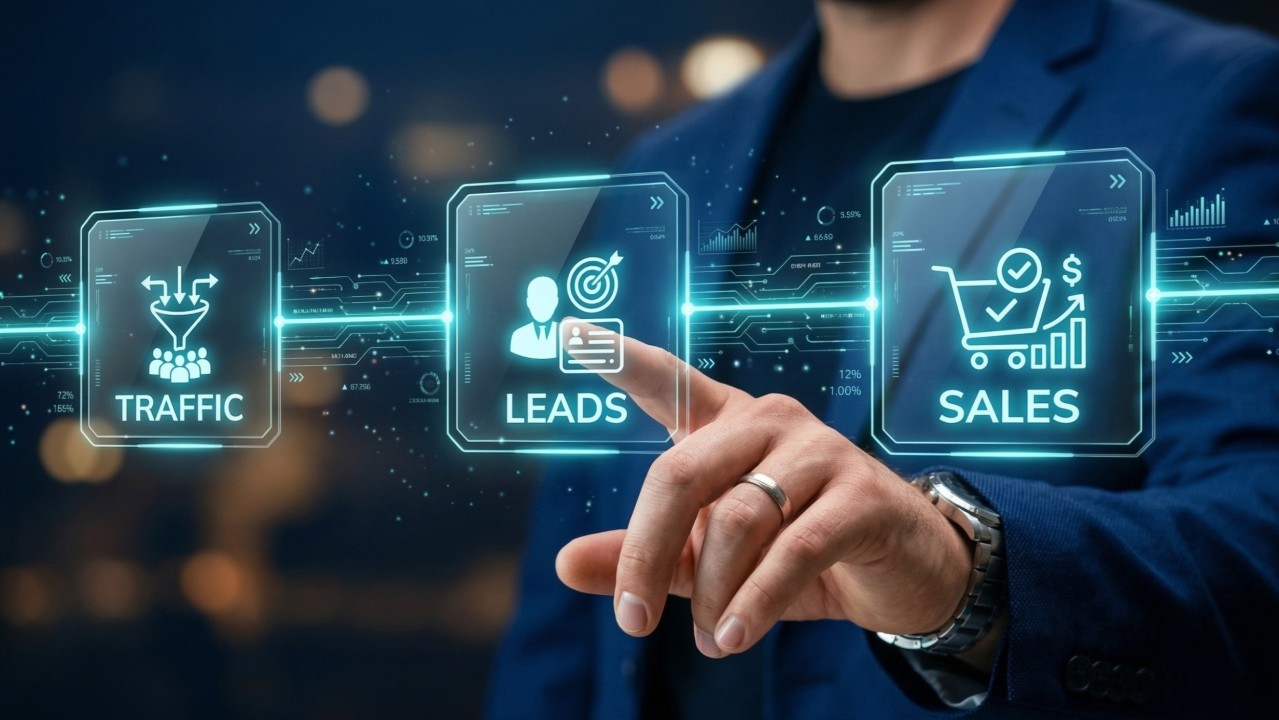
When channels are aligned, users are guided smoothly from awareness to conversion.
The Role of SEO in an Integrated Strategy
SEO provides long-term visibility.
It helps businesses appear in search results when users are actively looking for information, solutions, or services. This makes it a critical channel for capturing intent.
Within an integrated strategy, SEO can:
- attract high-intent traffic
- provide educational content that supports decision-making
- establish authority within key topics
- support other channels with in-depth resources
SEO content often acts as the foundation of the marketing ecosystem.
The Role of Paid Media
Paid media offers immediacy.
It allows businesses to reach targeted audiences quickly and drive traffic to specific campaigns or landing pages.
Within an integrated strategy, paid media can:
- amplify high-performing content
- target specific audience segments
- test messaging and offers
- drive short-term results while SEO builds long-term visibility
Paid campaigns also generate valuable data that can inform other channels.
The Role of Social Media
Social media plays a different role.
It is not always a direct conversion channel, but it is highly effective for building awareness, trust, and engagement.
Within an integrated strategy, social media can:
- introduce audiences to your brand
- reinforce messaging and positioning
- share insights and thought leadership
- support relationship-building
Social platforms often act as the bridge between awareness and deeper engagement.
Connecting the Channels
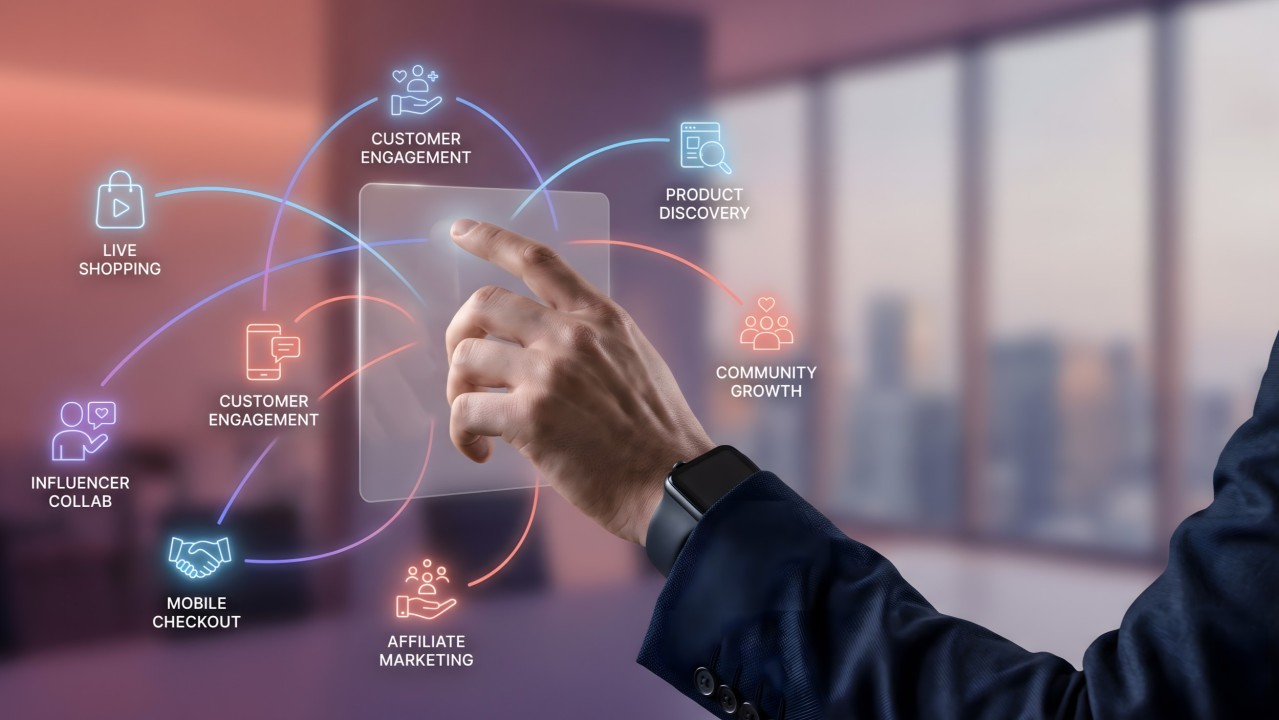
The real value of integration comes from how these channels support each other.
For example:
- SEO content can be repurposed for social media
- social engagement can drive traffic to SEO-optimised pages
- paid campaigns can amplify both SEO and social content
- insights from paid media can inform SEO and content strategy
This interconnected approach ensures that efforts are not duplicated but reinforced.
Aligning Messaging Across Channels
Consistency is essential for integration.
When messaging differs between channels, it creates confusion and reduces trust.
To maintain alignment, businesses should ensure that:
- core value propositions are consistent
- language and tone are aligned
- campaigns reinforce the same key messages
- user expectations match landing page experiences
Consistency strengthens brand identity and improves conversion rates.
Using Data as a Unifying Force
Data plays a central role in integrated marketing.
By combining insights from SEO, paid media, and social platforms, businesses can gain a more complete understanding of performance.
This includes:
- identifying which channels drive the highest-quality traffic
- understanding how users move between touchpoints
- recognising which content influences conversions
- optimising campaigns based on cross-channel performance
Data should not be viewed in isolation — it should inform the entire strategy.
The Role of AI in Integration
AI is increasingly helping businesses integrate their marketing efforts.
By analysing data across channels, AI tools can identify patterns and recommend optimisations that improve overall performance.
This can include:
- identifying which channels work best together
- optimising budget allocation
- predicting which content will perform well
- personalising user experiences across touchpoints
AI enables a more connected and responsive marketing strategy.
Breaking Down Internal Silos
Integration is not just a strategic challenge — it is an organisational one.
Different teams are often responsible for different channels. Without collaboration, silos naturally develop.
To overcome this, businesses should:
- align teams around shared goals
- encourage cross-channel communication
- share data and insights openly
- coordinate campaign planning
When teams work together, strategies become more cohesive and effective.
Measuring Success Across Channels
Traditional metrics often focus on individual channels.
However, integrated marketing requires a broader perspective.
Success should be measured based on:
- overall conversion rates
- customer acquisition costs
- return on investment
- customer lifetime value
This ensures that decisions are based on outcomes rather than isolated metrics.
The Impact on ROI
When SEO, paid media, and social are integrated, the impact on performance can be significant.
Benefits include:
- improved efficiency in marketing spend
- stronger and more consistent brand messaging
- higher-quality traffic and leads
- better user experiences across the journey
Integration ensures that every channel contributes to the same objective.
Final Thoughts: From Channels to Strategy
Marketing is no longer about mastering individual channels.
It is about connecting them.
Businesses that continue to operate in silos will struggle to achieve consistent results. Those that integrate their efforts will create more effective, efficient, and scalable strategies.
SEO builds visibility. Paid media drives momentum. Social media builds relationships.
When these elements work together, marketing becomes more than a collection of activities — it becomes a unified strategy that drives real business growth.