News
Website Redesign Checklist: 15 Signs Your Business Needs a New Website
How to recognise when your website is holding your business back—and when optimisation is no longer enough
Your website is often one of the most important commercial assets your business owns. It can influence how potential customers perceive your organisation, whether they trust your expertise, how easily they discover your services and ultimately whether they decide to make an enquiry. For many prospective customers, it may also be the first meaningful interaction they have with your brand.
The challenge is that websites rarely become ineffective overnight. Unlike a piece of equipment that suddenly stops working, website performance usually deteriorates gradually. Technology moves forward, competitors improve their digital presence, customer expectations increase and the business itself evolves. A website that felt modern and effective several years ago can slowly become disconnected from the organisation it is supposed to represent.
This makes deciding when to redesign difficult. Businesses understandably want to maximise the value of their existing website rather than replacing it unnecessarily, and many problems can be addressed through ongoing optimisation. However, there comes a point where continually repairing an outdated platform becomes less effective than creating something designed around the organisation’s current strategy and future ambitions.
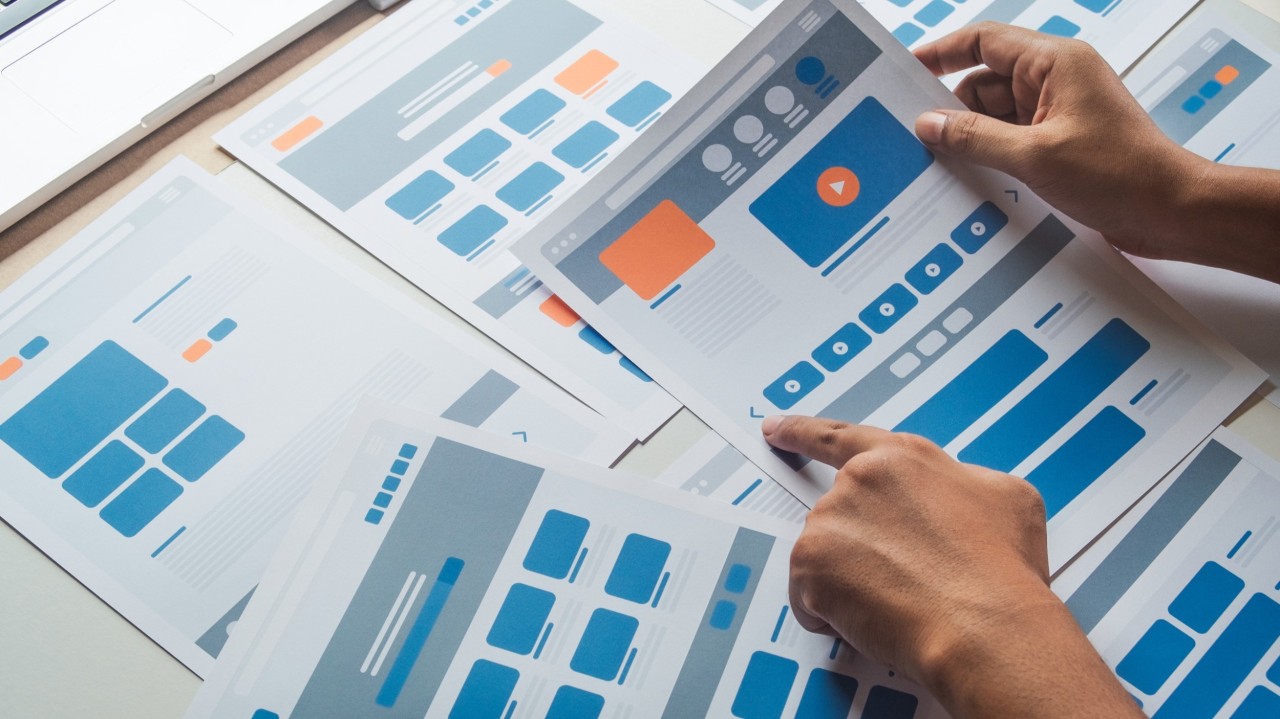
A website redesign should therefore never be driven purely by aesthetics. The real question is whether the website continues to support the business commercially. If it no longer communicates effectively, attracts the right customers, supports modern search visibility or converts visitors into opportunities, the cost of keeping it may eventually become greater than the cost of replacing it.
The following 15 signs can help businesses determine whether they have reached that point.
1. Your website looks noticeably dated
Design trends should never dictate business strategy, and a website does not need to follow every new visual fashion. However, customers do make rapid judgements based upon appearance. If a website looks significantly older than those of competitors, visitors may subconsciously make assumptions about the organisation behind it.
Outdated typography, cramped layouts, old imagery, excessive text, inconsistent spacing and design conventions associated with websites from many years ago can all influence perception. The issue is not simply whether the website looks fashionable. It is whether the design still communicates professionalism, relevance and confidence.
This is particularly important when a business provides modern, innovative or premium services. If the organisation talks about technology, quality or forward thinking while its website feels neglected, the digital experience contradicts the brand promise. A redesign can bring the visual identity back into alignment with the organisation customers are actually dealing with today.
2. Your website no longer reflects your business
Businesses change significantly over time. New services are introduced, old ones disappear, teams grow, target markets evolve and strategic priorities shift. Unfortunately, websites do not always evolve at the same speed.
The result can be a website describing a version of the business that no longer really exists. Important new services may be buried within existing pages, high-growth areas might receive very little attention and messaging may continue targeting customers the organisation is no longer prioritising.
This creates both a marketing and commercial problem. Potential customers cannot understand the full value of the organisation, while search engines and AI systems receive an incomplete picture of what the business actually does.
If explaining the current business requires saying, “Our website doesn’t really show this yet,” that is a strong indication the digital presence has fallen behind the organisation it represents.
3. It is difficult to use on a mobile phone
Mobile compatibility has been essential for years, but there is an important difference between a website technically working on mobile and providing an excellent mobile experience.
Visitors should not need to zoom into text, struggle with navigation, tap tiny buttons or repeatedly scroll through layouts originally designed for desktop screens. Forms should be easy to complete, calls to action should be obvious and important information should remain accessible without unnecessary effort.
This matters in B2B markets as much as consumer environments. Business decision-makers discover articles through LinkedIn, open email campaigns on smartphones, investigate recommendations while travelling and return to supplier websites outside traditional office environments.
If your website feels like a compromised version of the desktop experience when viewed on a phone, it may be time to rethink the underlying design rather than continually applying small responsive fixes.
4. The website is slow
Website speed affects far more than technical performance scores. It directly influences customer experience.
Visitors have become accustomed to fast digital experiences and have little patience for pages that take several seconds to become usable. Large images, excessive scripts, outdated plugins, poorly configured hosting and legacy development can all contribute towards slower performance.
Speed also affects search visibility and conversion. A prospective customer who leaves before the page loads cannot become an enquiry regardless of how persuasive the content might have been.
Older websites can sometimes be optimised successfully, but there is a point where technical debt makes continual improvement increasingly difficult. If performance problems are deeply embedded within the platform, rebuilding on a cleaner and more efficient foundation may provide significantly greater long-term value.
5. Your website is generating traffic but very few leads
A website attracting visitors without generating meaningful enquiries has a commercial problem.
The issue may not necessarily be traffic. Visitors could be reaching the wrong pages, messaging might be unclear, trust signals could be weak or conversion journeys may contain too much friction. The website might simply fail to give people enough confidence to take the next step.
Before committing to a redesign, businesses should analyse the existing data carefully. Understanding which pages attract visitors, how people navigate through the website and where potential customers leave can reveal whether targeted improvements are likely to solve the problem.
However, when conversion problems exist across the entire website rather than individual pages, a broader redesign may be justified. A new website can then be structured around customer journeys and commercial outcomes from the beginning instead of attempting to add conversion thinking onto an architecture that was never designed around it.
6. Visitors struggle to find important information
Good navigation should feel almost invisible. Customers arrive with a requirement, understand where relevant information is likely to be and move through the website naturally.
Problems arise when navigation reflects the company’s internal structure rather than the customer’s perspective. Service categories may use terminology customers do not understand, important pages can become buried beneath complicated menus and multiple routes may lead to overlapping or contradictory information.
As websites grow over time, this problem becomes increasingly common. New pages are added whenever a requirement emerges, but the overall information architecture is rarely reconsidered. Eventually, the website becomes a collection of accumulated content rather than a deliberately structured customer journey.
A redesign provides an opportunity to step away from the existing architecture and ask a much more important question: if we were building this website today based upon what customers actually need, how would we organise it?
7. Updating the website has become difficult
Your website should be capable of evolving alongside your marketing strategy. Publishing an article, updating a team profile, creating a landing page or changing service information should not require a complicated development project every time.
Older content management systems, custom-built platforms and heavily modified themes can gradually become difficult to manage. Teams may avoid making changes because they are worried about breaking layouts, while simple updates can become unnecessarily expensive or time-consuming.
This creates a marketing bottleneck. If the business wants to respond quickly to an industry development, launch a new service or create content around an emerging customer question, the website should enable that activity rather than prevent it.
When technology begins dictating what the marketing team can and cannot do, the platform is no longer supporting the business effectively.
8. Your website does not support modern SEO
Search Engine Optimisation has changed significantly. Strong visibility now depends upon much more than adding keywords to pages and writing occasional blog posts.
Modern websites need logical architecture, strong internal linking, useful content, technical performance, mobile usability, structured information and sufficient depth around the subjects in which the organisation wants to build authority.
Older websites frequently contain limitations that make these improvements difficult. Page structures may be inflexible, URLs could be poorly organised and important content may sit several levels deep within the site. Duplicate pages and outdated information can accumulate over time, creating unnecessary complexity.
A redesign provides an opportunity to build SEO into the structure rather than treating optimisation as something added afterwards. This is particularly important for organisations where organic search represents a significant source of enquiries.
9. Your website is not prepared for AI search
Search is no longer limited to traditional search engines. Customers increasingly use AI assistants and conversational search experiences to research problems, compare solutions and investigate potential suppliers.
This means websites need to provide information that can be easily understood by both humans and intelligent systems. Clear descriptions, comprehensive service information, structured content, topical depth, customer questions, expert insights and real-world evidence all become increasingly important.
An older website containing mainly short promotional pages may provide very little information from which AI systems can develop a meaningful understanding of the organisation.
Preparing for AI search does not mean rebuilding a website purely for machines. In many ways, the requirements are closely aligned with creating a better customer experience. A website that explains subjects clearly, demonstrates expertise and answers meaningful questions becomes more useful to everyone.
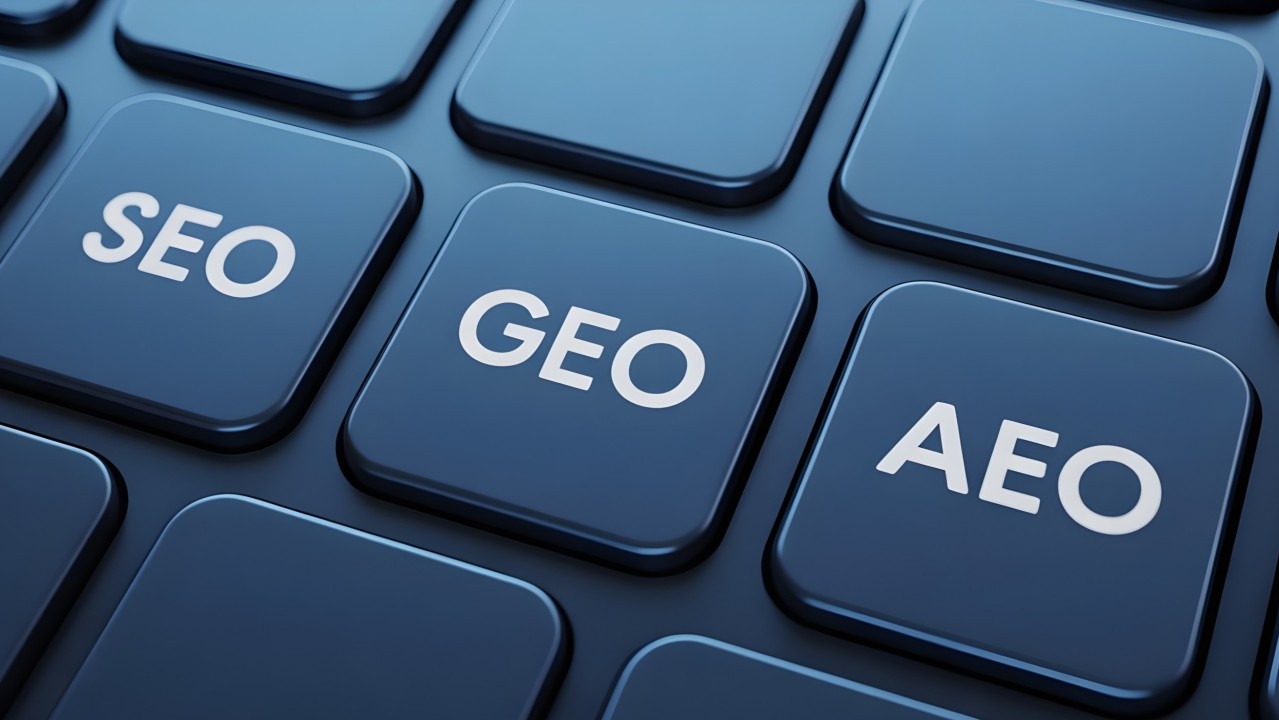
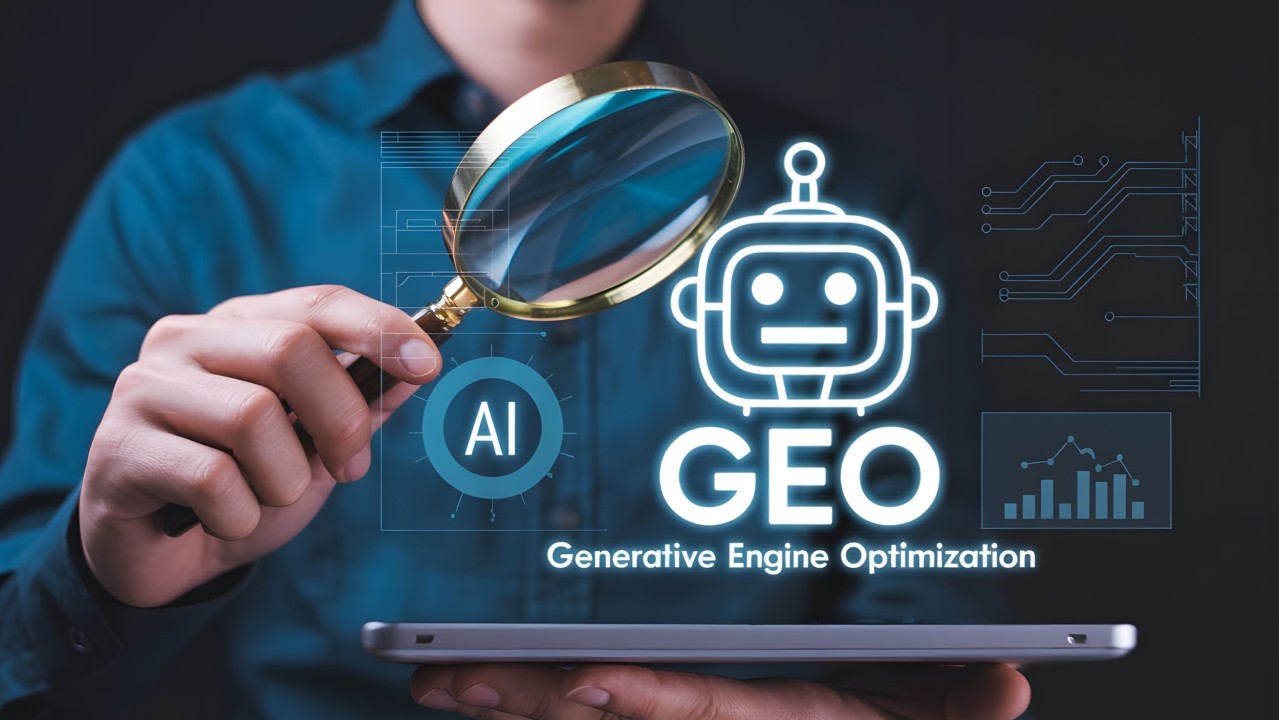
If your current website cannot realistically support SEO, AEO and GEO strategies, its limitations may become increasingly significant as digital discovery continues to evolve.
10. Your branding has moved on but your website has not
Brand development and website development do not always happen simultaneously. Businesses may update their logo, visual identity, messaging or positioning while leaving the website largely untouched.
This can create a fragmented customer experience. Social media might communicate one visual identity, proposals another and the website something that belongs to an earlier period in the company’s history.
Brand consistency matters because familiarity builds trust. Customers should feel they are interacting with the same organisation regardless of whether they encounter it through LinkedIn, an email campaign, a presentation, an advertisement or the website.
If your current website prevents the brand from being expressed consistently, redesigning it can provide an opportunity to bring the entire digital experience back together.
11. Your competitors have significantly improved their websites
Businesses should never redesign a website simply because a competitor has launched something new. However, competitors provide useful context for changing customer expectations.
If several organisations within your market have invested heavily in better digital experiences, richer content, easier navigation, interactive tools and stronger customer education, the standard customers expect within that sector may have changed.
Your website does not need to look like theirs. In fact, copying competitors often makes differentiation more difficult. The objective should be understanding where expectations have moved and identifying opportunities to provide an even better experience.
Competitive research during a redesign should therefore ask what others are doing well, what customers may now expect and, most importantly, where your organisation can communicate something genuinely different.
12. Your website lacks strong evidence and trust signals
Customers increasingly research businesses before contacting them. By the time someone completes an enquiry form, they may have already visited multiple pages, searched for reviews, examined LinkedIn profiles and compared several suppliers.
A website needs to support that validation process.
Case studies, testimonials, reviews, awards, certifications, accreditations, client examples, partnerships and expert profiles can all reduce perceived risk. Yet many older websites provide surprisingly little evidence beyond general statements about quality and experience.
A redesign is an opportunity to integrate trust throughout the customer journey. Instead of isolating testimonials on a single page, relevant evidence can appear alongside the services and sectors it supports. Case studies can connect directly to commercial pages, while leadership and specialist profiles can demonstrate the expertise behind the organisation.
Trust should not be an afterthought. It should be part of the website’s architecture.
13. Your content has become difficult to manage
Websites naturally accumulate content over time. Articles are published, new landing pages are created, campaigns come and go, services change and outdated information remains accessible long after it has stopped being useful.
Eventually, this can create content debt.
Multiple pages may compete for the same search intent. Old articles can contradict newer advice. Services may be described differently depending upon when a page was created. Important information becomes buried beneath content that no longer serves a purpose.
A redesign provides an excellent opportunity to conduct a full content audit. Valuable pages can be retained and improved, overlapping content consolidated, outdated information removed and gaps identified.
This process is particularly important when protecting existing SEO performance. A redesign should not automatically mean deleting everything and starting again. Strong pages, rankings, backlinks and useful content represent digital assets that should be carefully migrated into the new structure.
14. Your website does not integrate properly with the rest of the business
Modern websites increasingly sit at the centre of a wider technology ecosystem. They may connect with CRM platforms, marketing automation systems, email software, e-commerce platforms, booking systems, analytics tools, customer portals and internal business applications.
Older websites can make these integrations increasingly difficult.
Teams may manually transfer information between systems, lead data might not reach the CRM correctly or marketing teams may lack the analytics required to understand what happens after someone submits an enquiry.
This creates inefficiency and makes it harder to measure marketing performance accurately.
A modern website should not operate as an isolated marketing platform. It should connect digital activity with the wider commercial infrastructure of the organisation, allowing businesses to understand the journey from initial discovery through to enquiry, opportunity and customer.
15. You are embarrassed to send potential customers to your website
This final sign is difficult to quantify but often extremely revealing.
Ask your sales team whether they confidently send prospects to the website. Ask senior leadership whether they are proud to include the address in presentations. Ask employees whether they believe the website accurately represents the quality of the organisation.
If people regularly apologise for the website, explain that it is outdated or avoid directing potential customers towards it altogether, the problem has moved beyond design.
The website has become disconnected from the business.
Employees should view their website as a useful commercial asset. Sales teams should confidently use it to support conversations, recruitment teams should be proud to direct candidates towards it and marketing teams should have a platform capable of supporting campaigns.
If the people closest to the organisation no longer believe the website represents it properly, prospective customers may be reaching exactly the same conclusion.
A redesign should solve business problems, not just design problems
Recognising several of these warning signs does not automatically mean the business should immediately commission a completely new website. Some problems can be addressed through targeted optimisation, content improvements, technical development or conversion work.
The decision depends upon the extent to which the existing platform can support the organisation’s future requirements.
If the fundamental architecture is strong, the content management system remains flexible and performance is good, improving the existing site may represent the better investment. If every improvement requires working around technical limitations, outdated design systems and confused architecture, continually repairing the website can become a false economy.
This is why a website redesign should begin with strategy rather than visual design.
Before discussing colours, imagery or homepage layouts, businesses should understand what the new website needs to achieve. Which audiences must it serve? Which services need greater visibility? What customer journeys should it support? How will SEO and AI search influence the structure? What systems need integrating? How will success be measured?
The answers should determine the website that gets built.
Protect what already works
One of the biggest mistakes businesses can make during a redesign is assuming everything old should be discarded.
An existing website may contain years of accumulated digital authority. Individual pages may rank strongly for valuable searches, attract backlinks, generate leads or appear within AI-driven discovery experiences.
Removing or substantially changing these assets without understanding their value can cause significant damage.
Every redesign should therefore include careful analysis of existing performance. High-value pages should be identified, organic visibility documented and backlink profiles understood. Redirect strategies need to be planned where URLs change, while important content should be migrated or improved rather than simply deleted.
A new website should build upon existing digital equity rather than accidentally destroying it.
The objective is not to start again.
It is to create a stronger foundation while protecting the value the business has already built.
Don’t redesign purely for aesthetics
A visually impressive website can still be commercially ineffective.
Beautiful animations, large videos and sophisticated interactive features may create an immediate impression, but they mean very little if visitors cannot understand the proposition, find relevant information or complete an enquiry.
Design should support communication.
Every visual decision should contribute towards clarity, usability, brand positioning or customer experience. This does not mean business websites need to be conservative or unambitious. Strong creative design can be an extremely powerful differentiator.
The distinction is purpose.
A successful redesign combines creativity with commercial thinking. The website should look exceptional because that strengthens the brand, but it should also make the customer journey easier rather than allowing aesthetics to become the journey itself.
Think about the next five years, not the next five months
A website redesign represents a significant investment, so businesses should consider where the organisation is heading rather than simply solving today’s immediate problems.
Will new services be launched? Are additional markets being targeted? Will e-commerce become more important? Could international expansion require additional languages or regional content? Will AI-powered functionality become part of the customer experience? Does the marketing team plan to significantly expand its content strategy?
Building flexibility into the platform makes future development considerably easier.
The objective should not be predicting every technological change that will occur. That is impossible. Instead, businesses should create a scalable foundation capable of evolving without requiring another complete rebuild every time strategy changes.
A strong website is never truly finished. It should continually improve as customer behaviour, technology and the business itself evolve.
Your Website Should Represent the Business You Are Becoming
Deciding whether your business needs a new website should never come down to whether somebody likes the current design.
The more important question is whether the website still supports where the organisation is going.
Does it communicate your proposition clearly? Does it represent your brand accurately? Can customers use it easily across different devices? Does it generate meaningful opportunities? Can your marketing team update it efficiently? Does it support modern SEO, AEO and GEO? Can it demonstrate genuine expertise and provide the information increasingly well-informed customers expect?
Most importantly, does the website give potential customers confidence that your organisation is the right business to help them?
If the answer to several of these questions is no, continually patching an outdated platform may eventually become more expensive than addressing the underlying problem.
A successful website redesign is not simply an opportunity to make something look newer. It is an opportunity to rethink how your business communicates, how customers discover your expertise and how digital experiences contribute towards commercial growth.
Your website should represent the quality of the organisation you are today, but it should also provide the foundations for the organisation you want to become.
It may be time to redesign it. > Start Now!
Scott Jones is the CEO of a full service, leading and award winning SEO & Digital Marketing Agency. 123 Internet® – Digital Marketing Growth Agency support a local, national and international client base with AI-led digital marketing strategy, web design and e-commerce, creative branding, design and print, social media, lead generation, SEO/PPC, AI Search Optimisation and videography focused on ROI.
For more information about our services or advice on how to improve your online marketing activities please reach out and connect with us via our website or our social media channels.